Last updated November 17, 2026


Free written scope consultation - allowances, timeline, and change-order rules on paper before a single trade is scheduled
DIY vs Professional General Contractor: What’s Safe to Do Yourself
In Nevada, a homeowner can legally act as their own general contractor. That fact surprises most people, and it gets repeated online as permission to run a remodel solo. Here’s the part that doesn’t get repeated: the moment you sell, your buyer’s inspector will flag every unpermitted scope item, and your title company may require remediation before close. The DIY savings have a due date. This guide draws the line at the work that legally requires a licensed contractor in Nevada, not just the work that’s physically hard, and it’s written from Sunrise Manor, where we’ve watched more than a few “we’ll just handle it ourselves” projects turn into escrow problems.
Quick Answer
Most cosmetic work is safe and legal to do yourself in Nevada: painting, interior trim, tile inside the existing footprint, and swapping fixtures without moving pipe or wire. Anything structural, anything that requires pulling electrical, plumbing, or mechanical permits, and anything that alters the building envelope legally requires a licensed contractor under NRS 624, even when you’re acting as your own general contractor. Unpermitted work can void parts of your homeowner’s policy and complicate a future sale.
Styles & brands we work with
- Kitchen remodeling
- Bathroom remodeling
- Home additions & ADU
- Roofing
- Windows & doors
- Driveway & pavers
- Fence
Table of Contents
- Nevada’s owner-builder exemption, in plain terms
- The four trades where Nevada requires a licensed sub
- How your homeowner’s policy treats unpermitted work
- What’s genuinely safe and legal to do yourself
- The break-even math on DIY general contracting
- What a permit actually costs you in time and money
- Common mistakes to avoid
- When to call a professional
What Does Nevada’s Owner-Builder Exemption Actually Allow?
Nevada’s owner-builder exemption lets you pull permits and act as your own general contractor on a home you own and intend to live in. It is narrow. It does not make you a licensed contractor, it does not cover rental property or a home you’re flipping, and it comes with disclosure obligations at resale.
Under NRS 624, a licensed contractor is required for any construction, alteration, or repair valued over $1,000 where a permit is required. The owner-builder exemption is the carve-out. What it allows is limited to your primary residence. What it prohibits is using that exemption on a property you intend to rent or resell for profit, or on a structure that isn’t your home. And what it requires at resale is the part homeowners miss: you must disclose to a buyer that work was done under the owner-builder exemption, typically through the seller’s real property disclosure form. In Sunrise Manor, where a large share of homes were built between the 1970s and 1990s and many have already been altered at least once, that disclosure chain matters. A buyer’s inspector in a 1990s tract home near Nellis Boulevard will look at the same things a buyer’s inspector looked at in 2005, and if a wall moved or a panel was swapped without a permit, the paper trail shows it.
The exemption doesn’t give you a license, insurance, or warranty. If a hired sub walks off mid-rough-in, you’re the one holding that liability because you’re the one on the permit.
Which Trades Require a Licensed Contractor in Nevada?
Four categories sit in the “licensed sub required, no exceptions” column under NRS 624, regardless of who carries the GC role: structural, electrical, plumbing, and mechanical. Those categories have their own licensing boards, their own permit processes, and their own inspection sequences. When we plan a renovation in Sunrise Manor, those four trades are the first line items we price because nothing else happens until they’re scheduled and signed off.
Here’s the shape of that requirement:
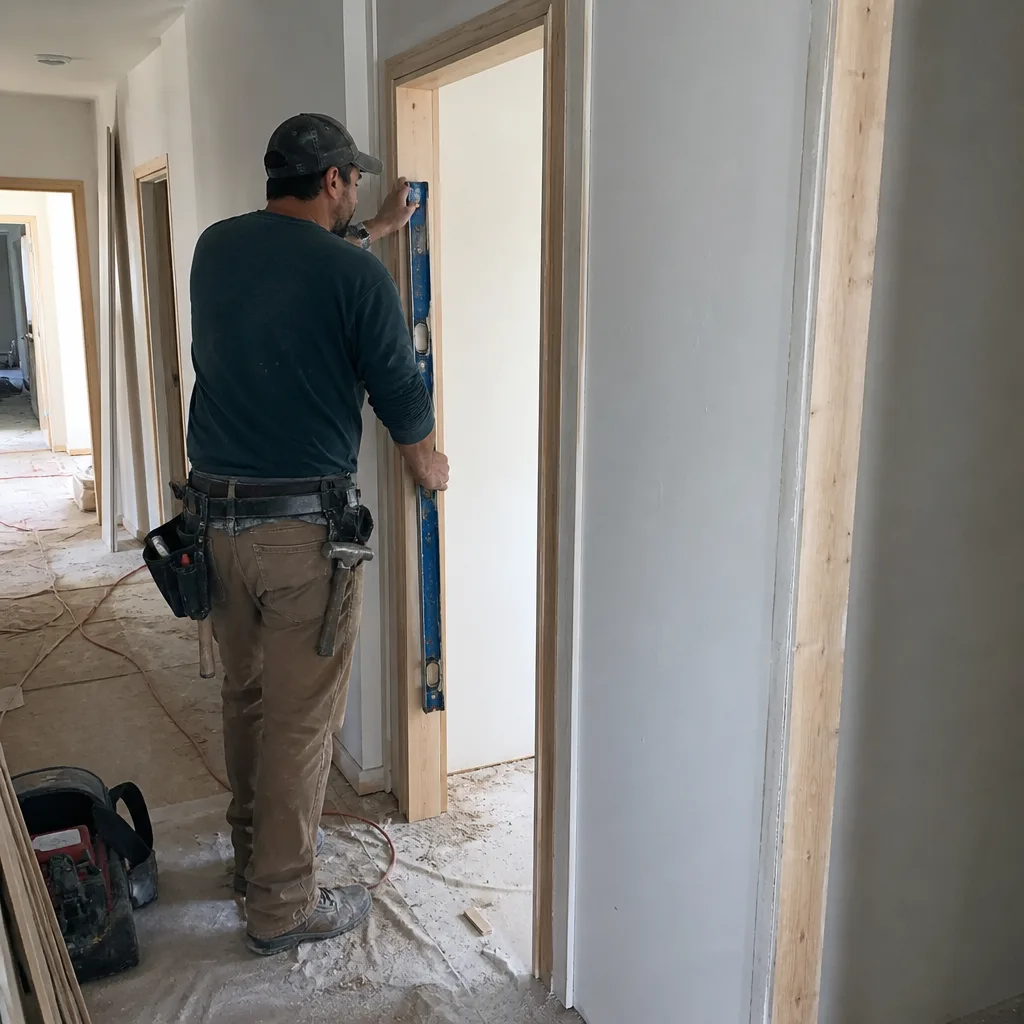
- Structural: Removing or modifying a load-bearing wall, altering a foundation, adding a beam, or cutting a header all require engineering, a permit, and a licensed contractor. This is the line most DIY plans cross first, usually when someone wants an open kitchen.
- Electrical: New circuits, panel changes, added outlets in wet areas, and any wiring inside the wall require a licensed electrician and a permit. Swapping a light fixture on an existing circuit is generally fine; running a new circuit to a hot tub is not.
- Plumbing: Relocating a drain, adding a fixture, replacing a water heater, and rerouting a supply line require a licensed plumber and a permit. Replacing a faucet or a toilet flange on the same rough-in is typically allowed.
- Mechanical: HVAC changes, ductwork, gas line connections, and water heater venting require a licensed mechanical contractor. This is also where the safety line matters most, because gas work and venting mistakes are the ones that hurt people.
What about the trades that aren’t on that list? Tile setting, drywall finishing, cabinetry, painting, trim carpentry, and hardscaping are trades where a homeowner can legally self-perform, subject to the permit rules for the underlying scope. Note that word in the previous sentence: underlying. A kitchen tile job that requires relocating a supply line isn’t a tile job, it’s a plumbing job with tile on top. That’s the distinction that keeps unpermitted work out of a Sunrise Manor remodel.
Will Unpermitted Work Void Your Homeowner’s Insurance?
It can. Most homeowner’s policies contain language that excludes or limits coverage for work done without required permits or inspections, and dwelling coverage on the affected structure is the first thing on the chopping block when a claim gets investigated. The exact language varies by carrier and policy, but the pattern is consistent: an adjuster asks for permits, and if there aren’t any, the claim gets complicated fast.
Picture a Sunrise Manor home built in 1988. A prior owner finished a room addition without permits. The current owner files a water damage claim after a pipe fails inside that addition. The adjuster pulls permit records, finds none for the addition, and the coverage question shifts from “how much” to “was this structure ever insurable in its current form.” That’s not a scare story, it’s a coverage gap. We’ve seen it because we’ve been asked to produce permit documentation for work we didn’t do, and we can’t. The paperwork either exists or it doesn’t.
Two more policy-level realities worth knowing. First, if a carrier concludes a structure was materially altered without permit, it can non-renew the policy entirely, which forces a homeowner into a surplus-lines market at a much higher premium. Second, some carriers will pay the claim but subrogate against the contractor who did the work, and if the work was self-performed under the owner-builder exemption, there’s no contractor to subrogate against. The liability comes back to you.
Here’s the practical rule: before you self-perform anything that touches the building envelope or the four licensed trades, read the exclusions section of your policy. If you don’t want to read it, call your carrier and ask whether the specific scope is covered if self-performed. Their answer is the one that matters, not ours.
What Can You Legally Do Yourself in Sunrise Manor?
A real list, with real scope limits. These are categories where a Sunrise Manor homeowner can self-perform with no license and no permit in most cases, provided the work touches only finishes and not the systems behind them.
- Interior painting. Walls, ceilings, trim, and doors. No permit, no license. Prep is where most DIY paint jobs fail, not the paint. Use a proper primer over patched drywall and give it a full cure before the color coat.
- Interior trim and baseboard installation. Miter cuts, coping, and caulk. If you’re not moving a wall or a doorway, this is finish carpentry, not structural.
- Tile work over existing substrate, in dry areas. Backsplash, floor tile in a dry room, and fireplace surround. Bathroom and shower tile is trickier because it involves waterproofing and a wet-area assembly; doable, but the failure mode is expensive. Keep this one to dry areas unless you’re confident in a bonded waterproofing membrane.
- Cabinet hardware, light fixture swaps, and faucet replacements on existing rough-ins. Same wire, same pipe, same location. If you’re moving a supply line or adding a circuit, it’s no longer this category.
- Painting and sealing exterior trim and staining a fence. Prep and product choice do the work. Sun exposure in Sunrise Manor is brutal on exterior wood and paint, so a high-UV paint and a proper primer are non-negotiable.
The safe-DIY list is short, and it’s short on purpose. Finishes are forgiving. Systems are not.
The Break-Even Math on DIY General Contracting
DIY general contracting looks like it saves 15 to 25 percent, which is the typical GC markup on a residential renovation. The real number is smaller, and in some scopes it’s flat negative. Here’s what eats the difference:
- Permit running time. A residential permit in the Sunrise Manor area can take a few weeks to clear depending on scope and review queue. If you’re carrying a mortgage and renting a temporary space during a remodel, that time has a cost. A licensed GC absorbs that waiting time as part of the job; a DIY owner carries it personally.
- Sub markup savings. You might save 10 to 20 percent on a trade if you coordinate their schedule yourself. You’ll often give most of it back in rescheduling costs when one trade runs late and the next trade bills you for a return trip.
- Contingency buffer. A licensed GC builds a contingency line into a written price, typically 10 to 15 percent. That buffer is where change orders, hidden conditions, and inspection corrections get paid for. A DIY owner who doesn’t budget a contingency is one surprise away from an unplanned second loan.
- Liability exposure. If a sub you hired damages a neighbor’s property or injures themselves on your job, your homeowner’s policy is the first line of defense, and it will examine whether the job was properly permitted. A GC carries their own liability coverage. You carry yours.
- The 365-day tail. A professional install usually carries a written workmanship guarantee. Self-performed work doesn’t. A tile shower that leaks in month eight is a DIY owner’s problem. For a Bradford Remodeling Sunrise Manor project, that same failure falls inside the 365-Day Done Right Promise: we return and correct it at no charge within the guarantee year.
The break-even point is roughly where the permit scope hits the building envelope or one of the four licensed trades. Below that line, DIY can pencil out. Above it, the savings don’t survive contact with reality.
What Does a Permit Cost in Time and Money?
Permit fees in the Las Vegas valley generally run a few hundred dollars for a minor scope and climb into the low thousands for a full kitchen or bath remodel, depending on valuation and the number of trade permits bundled in. The number is smaller than most homeowners expect. The time cost is the real line item.
- Application and plan review. Simple scopes can clear quickly. Anything with structural changes or a new footprint goes through engineering review and takes longer.
- Rough-in inspection. After the four trades are roughed in, the inspector sees the work before the walls close. A failed inspection means opening the wall, correcting, and re-inspecting. That cycle can add days to weeks.
- Final inspection. After finishes, the inspector confirms what was permitted matches what was built. Every trade signs off. This is the document a future buyer’s inspector and title company will look for.
Where Sunrise Manor gets specific: many homes here were built during the 1970s and 1980s, and a permit application on a kitchen from that era often turns up conditions the original plans don’t show. A licensed GC has seen those before and prices them in. A DIY owner usually finds out at rough-in. If your home is in that age range and hasn’t been remodeled in a decade or more, expect the rough-in inspection to be the first place you find out what’s actually behind the drywall.
Common Mistakes to Avoid
- Assuming the owner-builder exemption covers a rental or flip. It doesn’t. The exemption is for the home you live in, and using it on an income property is a licensing problem, not a paperwork problem.
- Treating a finish trade as a licensed trade. Relocating a supply line and calling it a “tile job” doesn’t change which permit is required. The scope governs, not the finish.
- Skipping the resale disclosure. Nevada requires sellers to disclose work done under the owner-builder exemption. A buyer’s inspector will find the scope items. A missing disclosure in the chain makes the remediation negotiation much worse.
- Self-performing a bathroom shower without a waterproofing plan. Bathroom remodels are the most common DIY failure we see in Sunrise Manor because the waterproofing assembly is invisible once the tile is set. The leak shows up on the ceiling below, not where you’re looking.
- Hiring a sub without verifying their license. In Nevada, any sub working on a permitted job needs to be licensed in their trade. If a sub offers to work “off the record” to save a permit fee, decline. It isn’t their permit that’s at risk.
- Not reading the homeowner’s policy before self-performing. The exclusion language is the difference between a covered claim and an uncovered one. Read it before the demo starts, not after a pipe fails.
- Underestimating the sun exposure. Sunrise Manor’s heat and UV load punish exterior finishes. A DIY exterior paint job that skips the primer coat will fail in one or two seasons, and redoing it costs more than having done it once correctly.
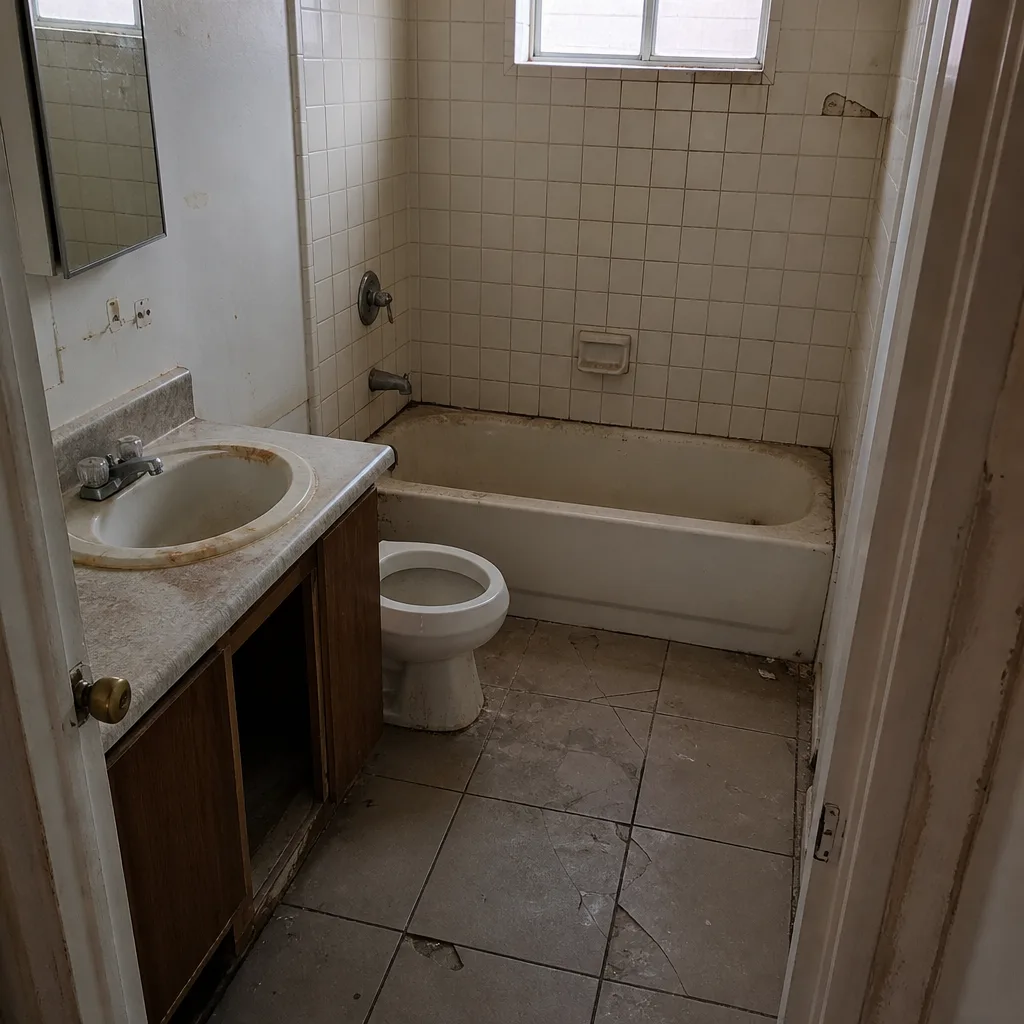
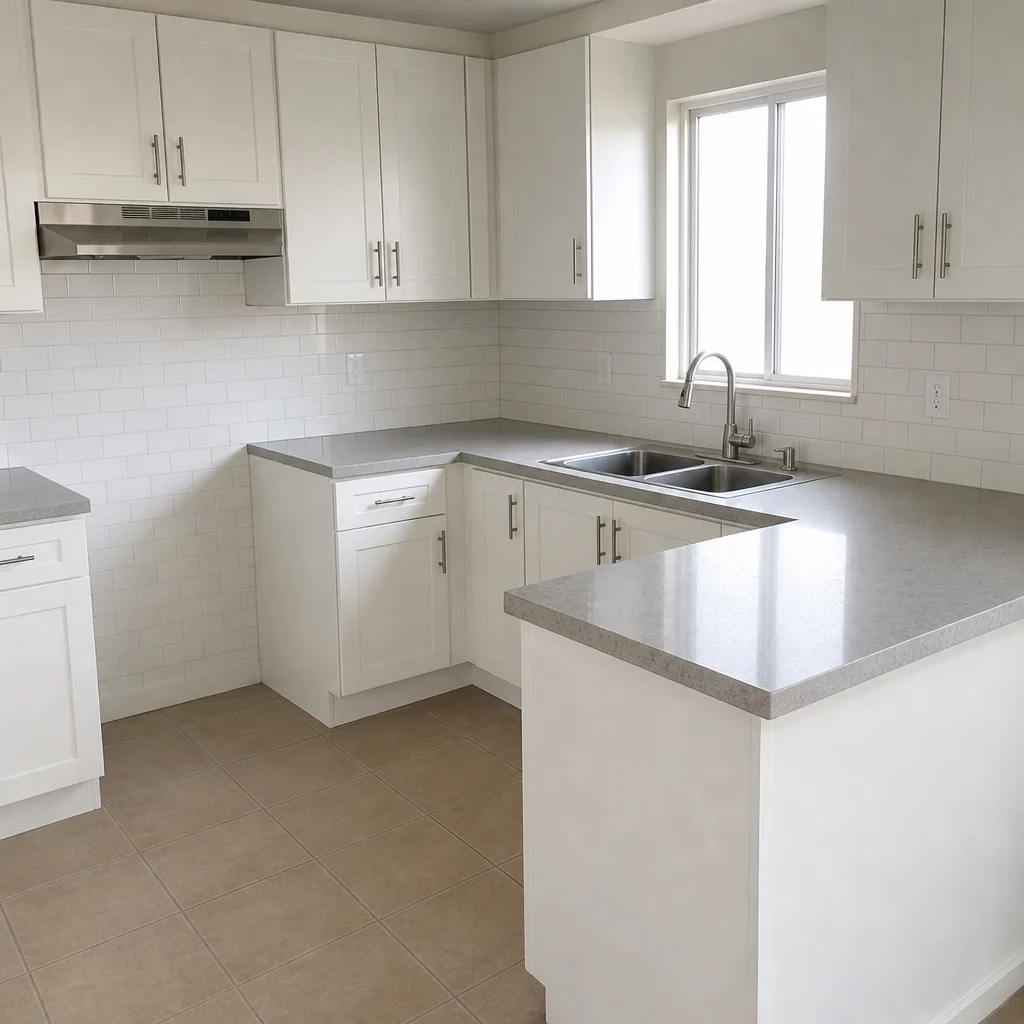
See the difference
 Before
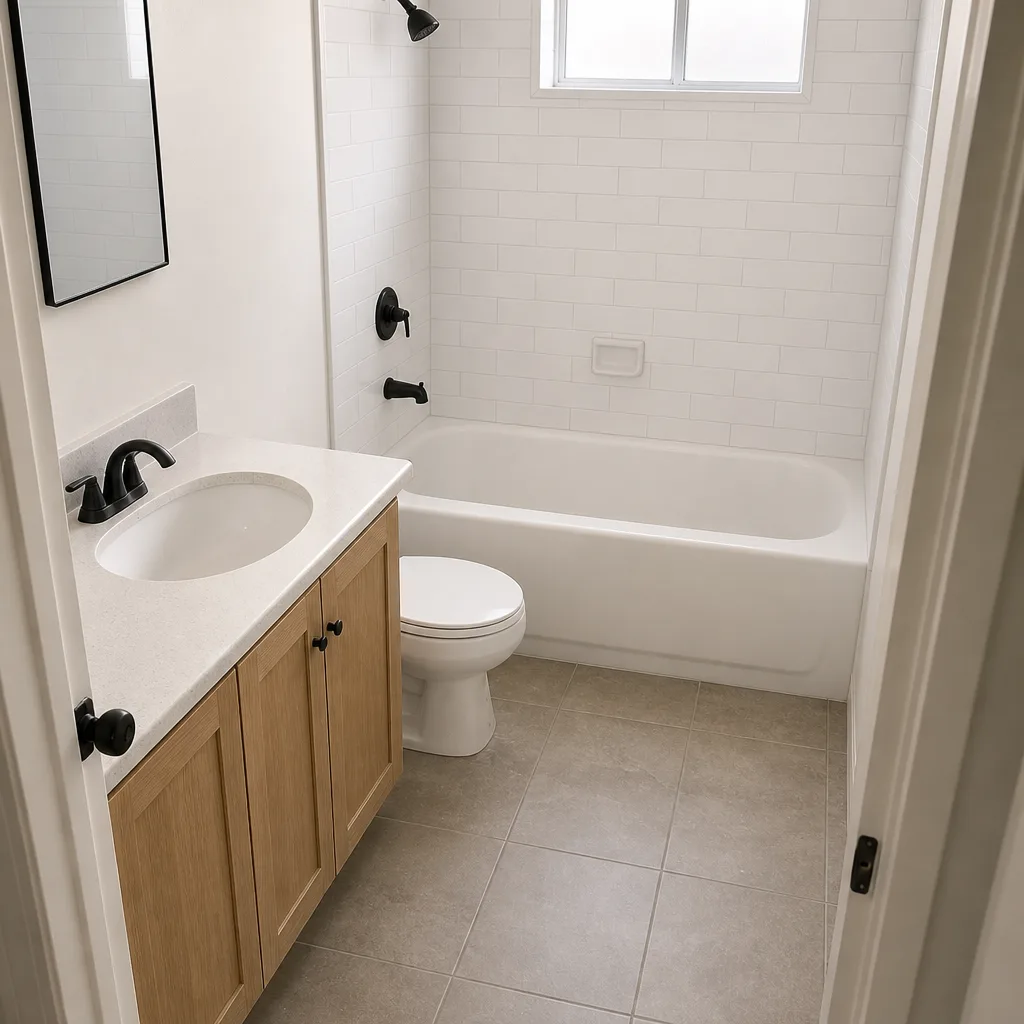 After
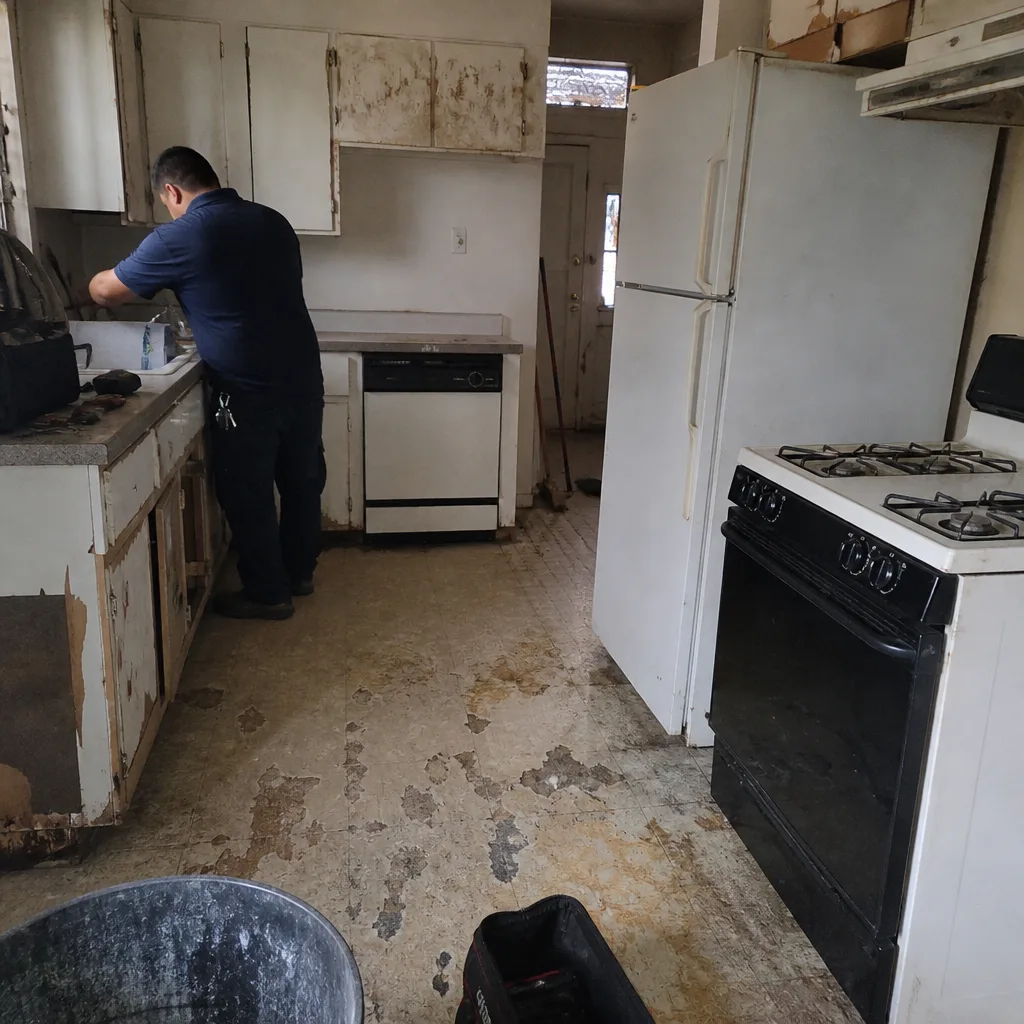 Before
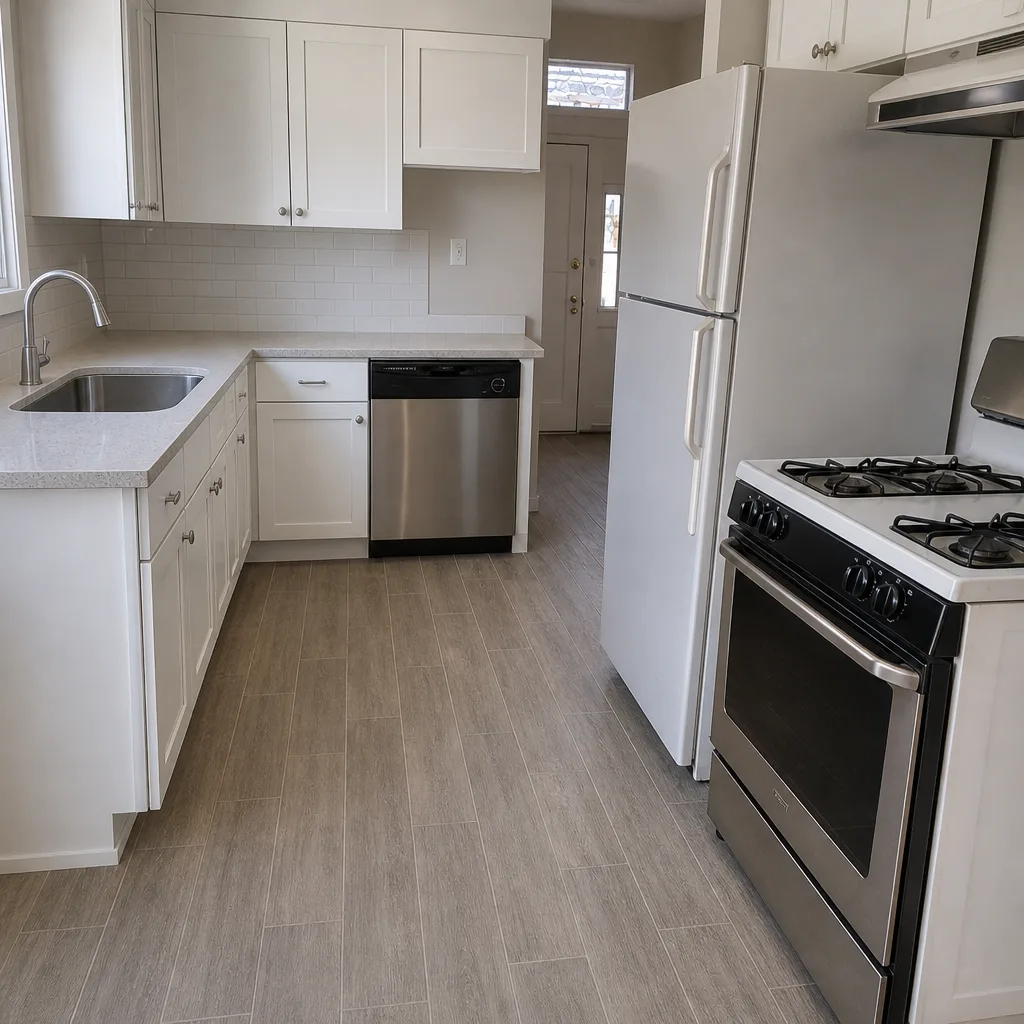 After
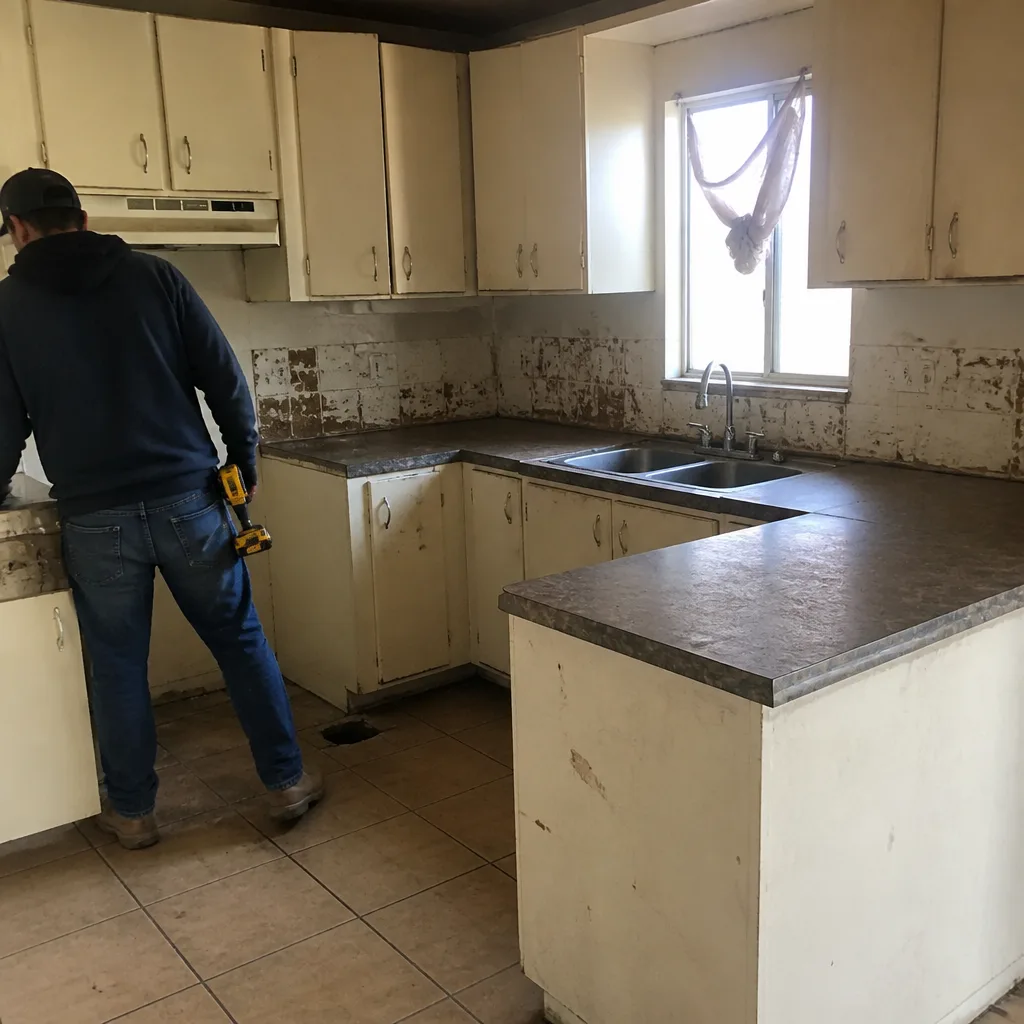 Before
 After
When to Call a Professional
Call when the scope touches a load-bearing wall, a panel, a drain line, a gas line, or a roof. Those are the areas where a mistake costs more to fix than the whole project would have cost to do right the first time. Call when your home is older than about thirty years and you haven’t seen the framing, because surprises multiply in homes from that era. Call when the work will need a permit and you don’t have the time to run it yourself. Call when the property is going on the market in the next couple of years and you want the paper trail clean.
Bradford Remodeling Sunrise Manor offers free estimates in Sunrise Manor, and the first call is where we draw that line with you, scope by scope. Call (844) 834-2810. Every estimate is a written price before any work starts, the number is fixed, and calls are answered by a live person any hour of the day.
Frequently Asked Questions
Structural changes, electrical work beyond fixture swaps, plumbing beyond fixture replacements on existing rough-ins, mechanical and gas work, and anything that alters the building envelope all require permits, and the licensed trades among them require a licensed contractor regardless of who carries the GC role. Cosmetic finish work in the same location generally does not. When in doubt, pull the permit, because the paperwork matters more than the fee.
Yes, on the home you own and live in, under the owner-builder exemption. What it doesn’t cover is rental property or a home you intend to resell, and it requires disclosure at resale. The exemption also doesn’t cover the four licensed trades, which still require a licensed contractor under NRS 624. Call (844) 834-2810 if you want a second read on your scope before you commit to the owner-builder route.
It can. Most policies exclude or limit coverage on work done without required permits, and dwelling coverage on the affected structure is where the exclusion lands. A carrier can also non-renew a policy it discovers was issued over unpermitted structural work. Read the exclusions section of your policy before you self-perform, and call your carrier to confirm the specific scope. Call (844) 834-2810 if you want to walk through what the paperwork looks like for a permitted job.
Yes, in dry areas, provided you’re working over an existing substrate and not altering a wet-area assembly. Dry-room floor tile, backsplash, and fireplace surround are all reasonable homeowner projects. Bathroom showers are the one to be cautious with because the waterproofing layer is the failure point, not the tile. For a kitchen or bathroom scope that touches plumbing or a wet area, call (844) 834-2810 and we’ll price it alongside the permit it needs.
Every completed Bradford Remodeling Sunrise Manor project carries a full-year written guarantee. If the work fails within that window, we return and correct it at no charge. The guarantee is in writing and it’s in your hands at close, along with the documented scope and a clean site. If you want to understand exactly what the guarantee covers before you sign, call (844) 834-2810 and we’ll go through it line by line.
A licensed contractor in Nevada carries a state license in the specific trade they’re performing, carries the insurance and bonding that trade requires, and can pull the permit for that scope. An unlicensed contractor can do none of those things, which puts the permit, the insurance, and the warranty on your shoulders. Bradford Remodeling Sunrise Manor only works with a documented roster of licensed trade partners, and every estimate names the scope in writing before work begins. Call (844) 834-2810 to schedule a free estimate.
The Bottom Line

The DIY-or-hire decision isn’t about skill. It’s about permit exposure, insurance liability, and the paper trail a buyer will inspect when you sell. Nevada’s owner-builder exemption is real but narrow, and it doesn’t cover the four licensed trades. Finish work is a reasonable weekend project. Structural, electrical, plumbing, and mechanical work aren’t, and the savings have a due date. If you’re in Sunrise Manor and you’re planning a scope that touches the four trades, get the written price first, get the permit pulled, and get the guarantee on paper. That’s how a Bradford Remodeling Sunrise Manor project closes: clean site, documented scope, signed guarantee in your hand.
Call (844) 834-2810 for a free estimate. The price is in writing before any work starts.
Written by the team at Bradford Remodeling Sunrise Manor.