Last updated November 17, 2026




Free written scope consultation - allowances, timeline, and change-order rules on paper before a single trade is scheduled
DIY vs Professional Home Remodeling: What’s Safe to Do Yourself
A homeowner who tiles their own shower saves about $1,200 in labor and risks a $4,000 insurance claim denial if the waterproofing fails. That gap is the whole conversation. The real question isn’t whether you have the skill to lay tile or hang a door. It’s whether Nevada permit law, your homeowner’s insurance policy, and the inspector your future buyer hires will accept the work you did. This guide draws the line at liability, not ego, and it’s written from Sunrise Manor, where we’ve watched plenty of weekend projects turn into six-figure problems.
Quick Answer
In Nevada, you can legally self-perform cosmetic work like painting, swapping hardware, and some demolition, but anything that touches structural framing, electrical panels, plumbing rough-in, or gas lines requires a licensed contractor under Nevada Revised Statutes Chapter 624. The safe DIY line sits at finish work and non-structural demo; the never-DIY line sits at anything a permit inspector or an insurance adjuster would flag. Between those two lines is a gray zone where saving labor costs can cost you a claim, a sale, or both.
Styles & brands we work with
- Kitchen remodeling
- Bathroom remodeling
- Home additions & ADU
- Roofing
- Windows & doors
- Driveway & pavers
- Fence
Table of Contents
- What Nevada Law Actually Lets You Do Yourself
- The Insurance Clause That Voids Your Coverage
- Genuinely Safe DIY: Painting, Hardware, and Permitted Demo
- The Borderline Zone: Tile, Flooring, and Drywall
- Never DIY: Panels, Load-Bearing Walls, and Gas Lines
- How Unpermitted Work Shows Up on a Home Inspection
- What a Written Estimate Covers and Where You Can Cut Cost
- Sunrise Manor Specifics: Climate, Codes, and Resale
What Nevada Law Actually Lets You Do Yourself
Nevada Revised Statutes Chapter 624 is the state’s contractor licensing law, and it’s specific about what counts as contracting work. A licensed contractor is required for any construction, alteration, repair, or improvement that requires a building permit, and for any work valued above a threshold the state sets for “handyman” exceptions. For a homeowner working on their own primary residence, you have a narrow right to self-perform: you can pull an owner-builder permit in some jurisdictions, but that permit comes with real strings attached. You sign an affidavit that you’re doing the work yourself, you accept liability for code compliance, and you generally can’t sell or transfer the property for a period afterward without disclosing the owner-builder work.
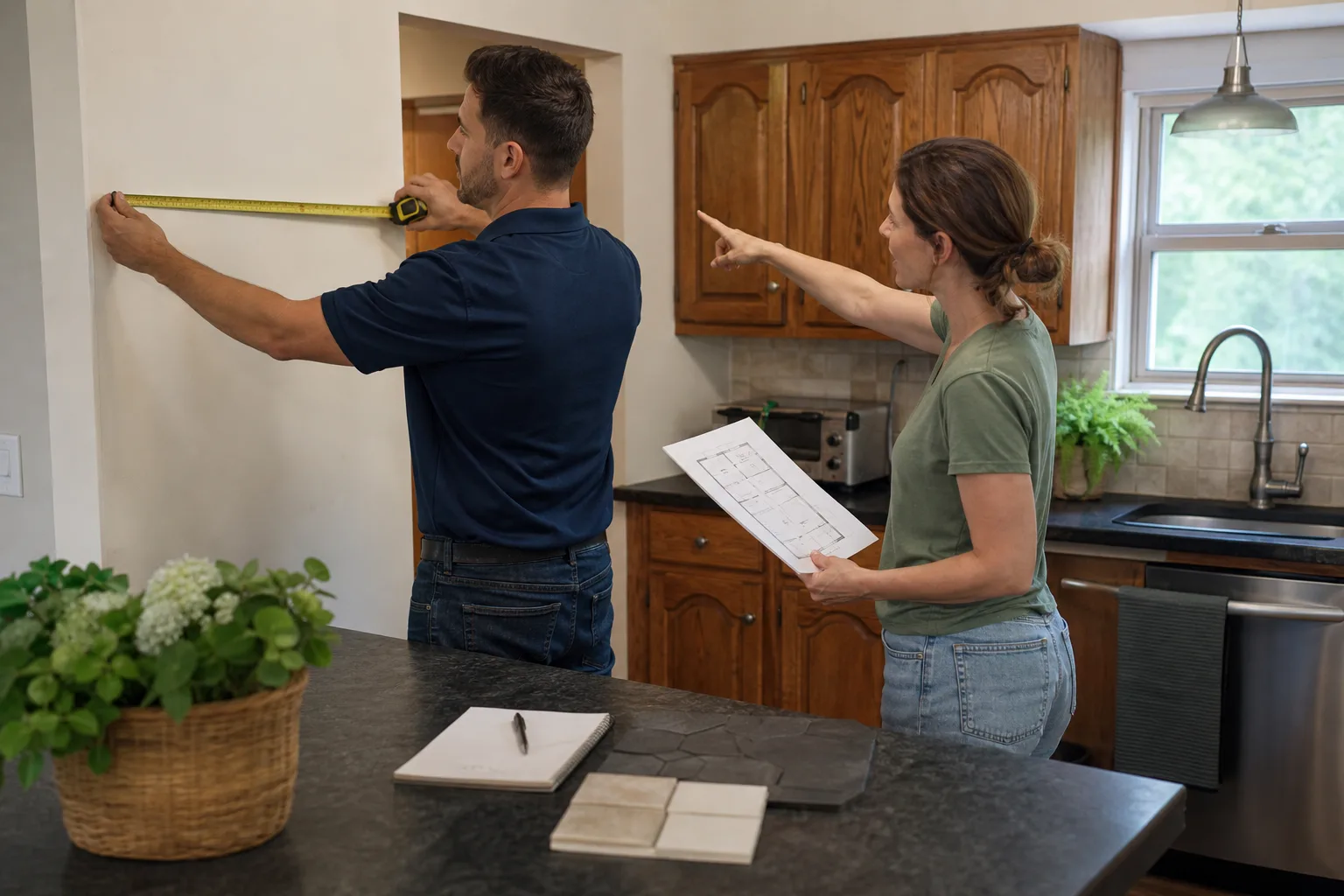
What this means practically in Sunrise Manor: replacing a faucet, repainting a bedroom, or installing a new light fixture on an existing circuit is yours to do. Running a new circuit, moving a drain line, or removing a wall that shows up on the structural plans is contractor territory. When we quote a general contractor project in Sunrise Manor, part of the intake is asking what the homeowner has already touched, because we need to know whether we’re building on permitted work or correcting unpermitted work.
- Legal to self-perform: interior paint, cabinet hardware, light fixture swaps on existing wiring, replacing outlet covers, installing floating shelves, non-structural demolition of cabinets or drywall.
- Requires a licensed contractor: electrical panel work, new circuits, plumbing rough-in, gas line work, structural framing changes, roof work, and anything requiring a building permit.
- Owner-builder permit possible: in some jurisdictions, a homeowner can pull a permit on their own residence for specific scopes, but the disclosure and resale implications are real.
One more point homeowners miss: Nevada requires contractors to be licensed for work over a certain dollar amount, and an unlicensed contractor who takes your money for permitted work is committing a crime. That cuts both ways. If you hire someone who isn’t licensed and the work fails inspection, your recourse is thin.
The Insurance Clause That Voids Your Coverage
Most standard homeowner policies in Nevada contain an exclusion for “faulty workmanship” and for damage caused by unpermitted or unlicensed work. Read that again, because it’s the quiet trap. If you remodel your own bathroom, do the waterproofing yourself, and the shower pan leaks into the ceiling below six months later, your policy likely denies the claim. The adjuster isn’t being cruel. The policy says the carrier doesn’t cover damage caused by work that wasn’t done to code by a qualified professional.
Insurance claims in the $4,000 to $12,000 range are exactly where this hurts. A failed shower pan, a slow leak behind a DIY tub surround, a gas line that wasn’t pressure-tested correctly – these are the claims that get denied and leave the homeowner writing the check. When we remodel a bathroom in Sunrise Manor, we document the waterproofing and rough-in so the file is clean, which protects the homeowner if a claim ever comes up.
There’s a second layer too. If you sell the home and the buyer’s inspector finds unpermitted work, the buyer’s lender can refuse to fund the loan until the work is permitted and inspected. That turns a $900 DIY savings into a $6,000 remediation plus a delayed closing.
Genuinely Safe DIY: Painting, Hardware, and Permitted Demo
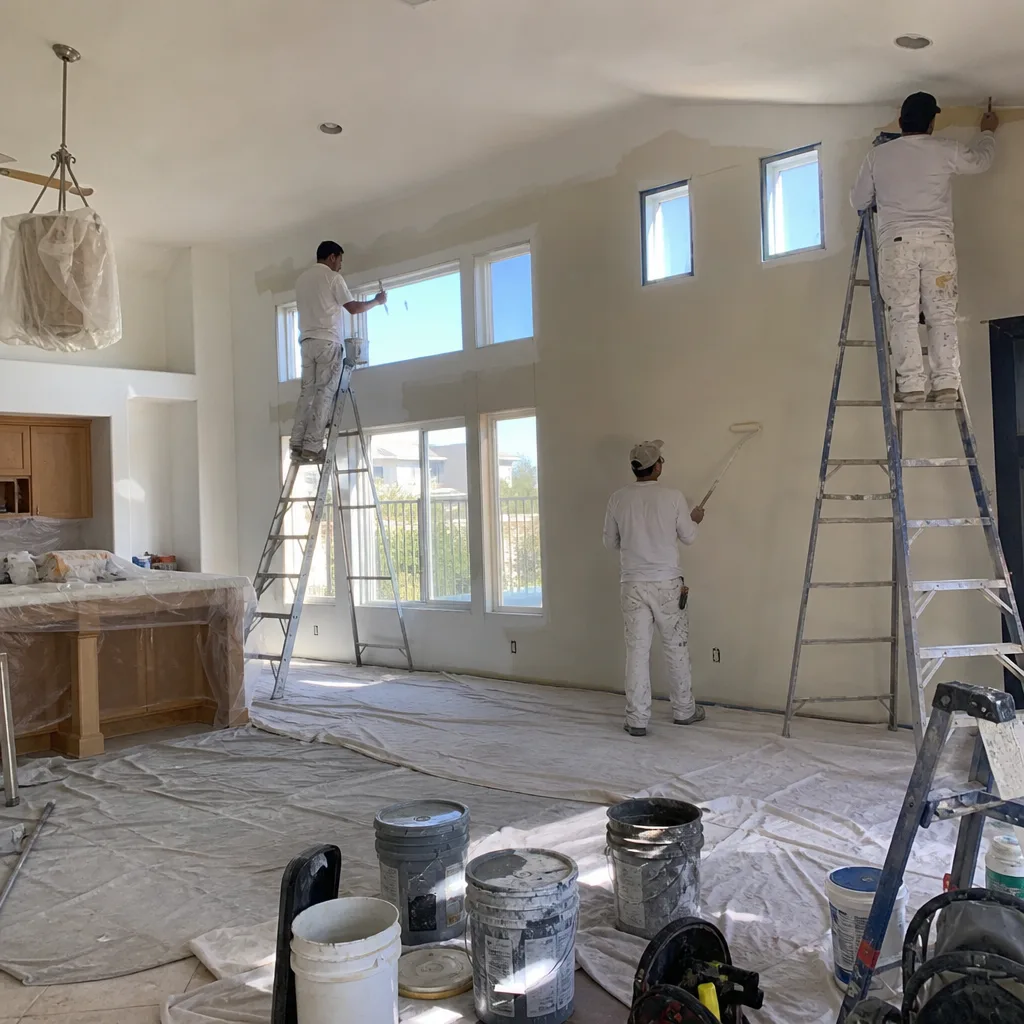
This is where we tell homeowners to roll up their sleeves. Painting is the highest-return DIY project in any home and carries essentially no liability if you prep correctly. Cabinet hardware swaps, light fixture swaps on existing circuits, caulking, and shelving are all fair game. So is demolition, with one condition: get the permit first if the demolition exposes or removes anything structural. Pulling cabinets and drywall in a kitchen is straightforward work, but if you’re cutting into a wall that might be load-bearing, stop and get a professional opinion before the saw goes in.
- Prep first. Fill, sand, tape, and prime before paint. Ninety percent of a paint job is prep.
- Turn off the breaker before any fixture swap. Not the switch – the breaker. Verify with a tester.
- Label anything you demo. Tag every wire and pipe you expose so the next trade knows what it’s looking at.
- Bag and haul debris weekly. Demolition dust migrates through a house faster than you’d believe.
- Photograph the exposed framing and rough-in. Documentation protects you at resale.
For a kitchen remodeling project in Sunrise Manor, the smart DIY play is to handle the demo and the final paint yourself and let the licensed trades handle everything behind the drywall. That’s a real savings and it doesn’t jeopardize your coverage. If you want the cabinets, counters, and fixtures to land right, the finish selections we install include names like Kohler and Moen for plumbing, and we spec them because the parts and paperwork are traceable.
The Borderline Zone: Tile, Flooring, and Drywall
Tile, flooring, and drywall are the gray zone. They’re not inherently dangerous, they don’t usually require a licensed contractor to install, and homeowners who take their time can do a perfectly serviceable job. The problem is failure cost. A confidently installed tile shower that wasn’t properly waterproofed will hold water behind the wall for months before the damage shows up. By the time you see the stain on the ceiling below, you’re replacing the pan, the backer, and probably the subfloor.
In Sunrise Manor, the failure mode is specific. Our summers push 110 degrees and our water is hard. Shower pans that weren’t sloped correctly or weren’t sealed with a proper waterproofing membrane fail fast here, because the temperature swings between conditioned and unconditioned spaces stress the seams. In our experience, the tile trade is the one where DIY pride writes the biggest check later. That’s not a knock on homeowners – it’s an honest read on how waterproofing failures behave in this climate.
For flooring, the risk is lower. Laminate, luxury vinyl plank, and floating floors are genuinely DIY-friendly. Hardwood, engineered wood over a slab, and anything requiring moisture testing, less so. If you’re not sure your slab is dry enough, spend the $40 on a moisture test before you lay anything down.
Where tile is concerned, one trade rule is worth knowing even if you hire out: waterproofing, not the tile, is what keeps the shower from rotting. A beautiful tile job over bad waterproofing is a guaranteed problem. For a bathroom remodeling project in Sunrise Manor, we build the waterproofing layer to the manufacturer’s spec and photograph the steps, so the record exists if it’s ever needed.
Never DIY: Panels, Load-Bearing Walls, and Gas Lines
Some work isn’t a skill question. It’s a safety question. Electrical panel work can kill you, and it can kill the next person who opens that panel. Load-bearing wall changes can bring a roof down. Gas line work can leak silently and detonate. We won’t dress this up or give you a step-by-step, because the honest professional answer is: don’t.
- Electrical panel work: service upgrades, breaker swaps, new circuits, subpanels. The wiring inside a live panel carries enough current to stop a heart. This is licensed electrician territory, full stop.
- Load-bearing wall changes: removing or modifying a wall requires an engineer’s stamp, a permit, and a correct header. Guessing wrong can sag a second floor or fail a roof.
- Gas lines: any work on gas piping beyond a simple appliance hookup is licensed plumber and permit territory. Gas leaks are odorless until they aren’t.
- Roof work above a single story: the fall risk alone rules it out for most homeowners. Add in our monsoon-season wind and heat, and this is not a weekend project.
The safety caveat matters here. Electrical, gas, and structural work are the three categories where a mistake can kill someone who didn’t make it – a family member, a future owner, an inspector. That’s the reason the license exists. When we quote a whole-home scope, the licensed trades are handled by licensed trades, and we document the permits and inspections so the paper trail is clean.
How Unpermitted Work Shows Up on a Home Inspection
Unpermitted work doesn’t stay hidden. The buyer’s inspector knows the tells: a new bathroom with no permit history, a garage conversion with no insulation or egress, a subpanel labeled in sharpie, a stamped drain line with no matching paperwork. Nevada inspectors can pull permit records, and lenders require the work to be either permitted or disclosed. What does remediation cost? Atypical unpermitted bathroom remodel runs $3,000 to $8,000 to bring into compliance, and unpermitted structural work can be more – a garage converted into a living space often needs to be un-converted or fully permitted, and the permit history is required before closing.
For a Bradford Remodeling Sunrise Manor home project, we pull the permits, pass the inspections, and hand you the signed-off paperwork. That’s a selling point now and a resale asset later. If you’re planning a sale within a couple of years, the compliance paper is worth more than the money you saved by skipping the permit.
Here’s the other thing: an inspector who finds unpermitted electrical work will flag the whole panel as suspect. One unpermitted circuit can trigger a full-panel inspection, which is a five-figure scope on a home that otherwise didn’t need one.
What a Written Estimate Covers and Where You Can Cut Cost
A written estimate should be line-itemed. It should name the scope, the materials, the labor, the permits, and the disposal. If a contractor hands you a single number on the back of a business card, that’s not an estimate – it’s a guess with a price tag. Bradford’s written price is documented before any work starts, and it doesn’t move at the door. The Garrison Standard frames this: every price in writing, every guarantee in writing, before a tool comes out. The 365-Day Done Right Promise is part of that – if the finished work fails inside a full year, Bradford returns and corrects it at no charge.
Where you can legitimately reduce cost by handling work yourself:
- Demolition: pulling cabinets, tile, and drywall saves labor hours when done safely and with the permit pulled first if required.
- Final paint: straightforward and low-risk, and we’ll leave the space paint-ready.
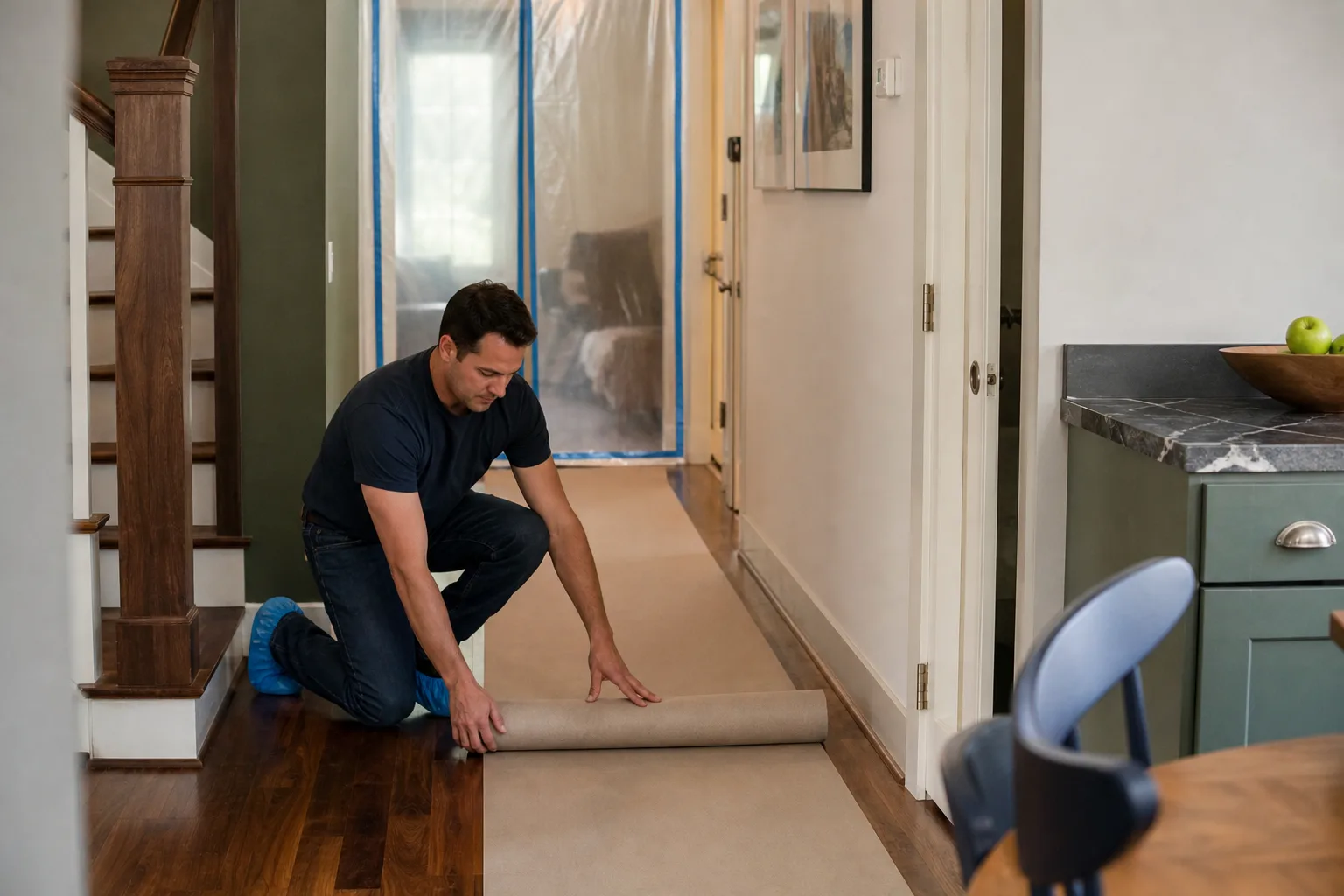
- Site prep: clearing the work area and protecting adjacent floors saves setup time.
- Debris haul: bagging and towing your own demolition debris is a real line-item savings.
- Material selection research: arrive with your finish choices narrowed so the design phase is shorter.
What you should not do to save cost: skip the permit, hire an unlicensed laborer for electrical or plumbing, or install anything behind the wall that you’re guessing at. That’s where the savings evaporate.
Sunrise Manor Specifics: Climate, Codes, and Resale
Sunrise Manor’s housing stock is largely mid-century to 1990s, and a lot of it has been touched by previous owners. That matters when you’re remodeling, because you’re often remodeling on top of someone else’s unpermitted work. In our experience, the older homes in the neighborhood commonly have at least one unpermitted improvement: a converted garage, a bathroom added without permits, a subpanel that was never inspected. The first step on any project here is walking the home and finding the surprises before they end up in a written price.
Climate shapes the work here. Our summers hit 110 degrees, which stresses caulk, paint, and waterproofing fast. Our rare but real monsoon season pushes water through every seam, which is why waterproofing near the roof, windows, and shower pans matters more here than the finish tile does. Our hard water is another local factor – it chews through cheap faucets, which is one of the reasons we spec Kohler and Moen fixtures, and why a low-bid faucet usually ages out faster than the homeowner expects.
If you’re in Sunrise Manor and weighing the DIY math, the starting point is a written price on the scope you actually want, not the scope you’re guessing at. The Garrison Code is our operating discipline, and it’s why you’ll have a number in your hand before we start.
Common Mistakes to Avoid
- Assuming insurance covers everything. Most policies exclude faulty workmanship and unpermitted work. If you’re tiling a shower, the leak you can’t see is the one your carrier won’t cover.
- Removing a wall because it looks non-structural. In Sunrise Manor’s older homes, plenty of interior walls carry load, and the only reliable way to know is to read the framing plans or have an engineer look.
- Doing panel work “just to add one circuit.” A single new circuit means opening the panel, and that’s a licensed electrician’s job – no exceptions for homeowners, no exceptions for handymen.
- Skipping the permit “because it’s interior.” Interior work still requires permits when it touches plumbing, electrical, or structure, and unpermitted work shows up at resale.
- Cutting corners on waterproofing to save a weekend. A proper membrane, curb, and sloped pan take a full day longer than a shortcut, and the shortcut fails in our summer heat.
- Hiring the lowest unlicensed bid for a big scope. An unlicensed contractor taking money for permitted work is a crime in Nevada, and the homeowner has little recourse when the job goes sideways.
- Trusting a verbal quote. Without a line-item written price, the number moves at the door, and you’re the one absorbing the difference.
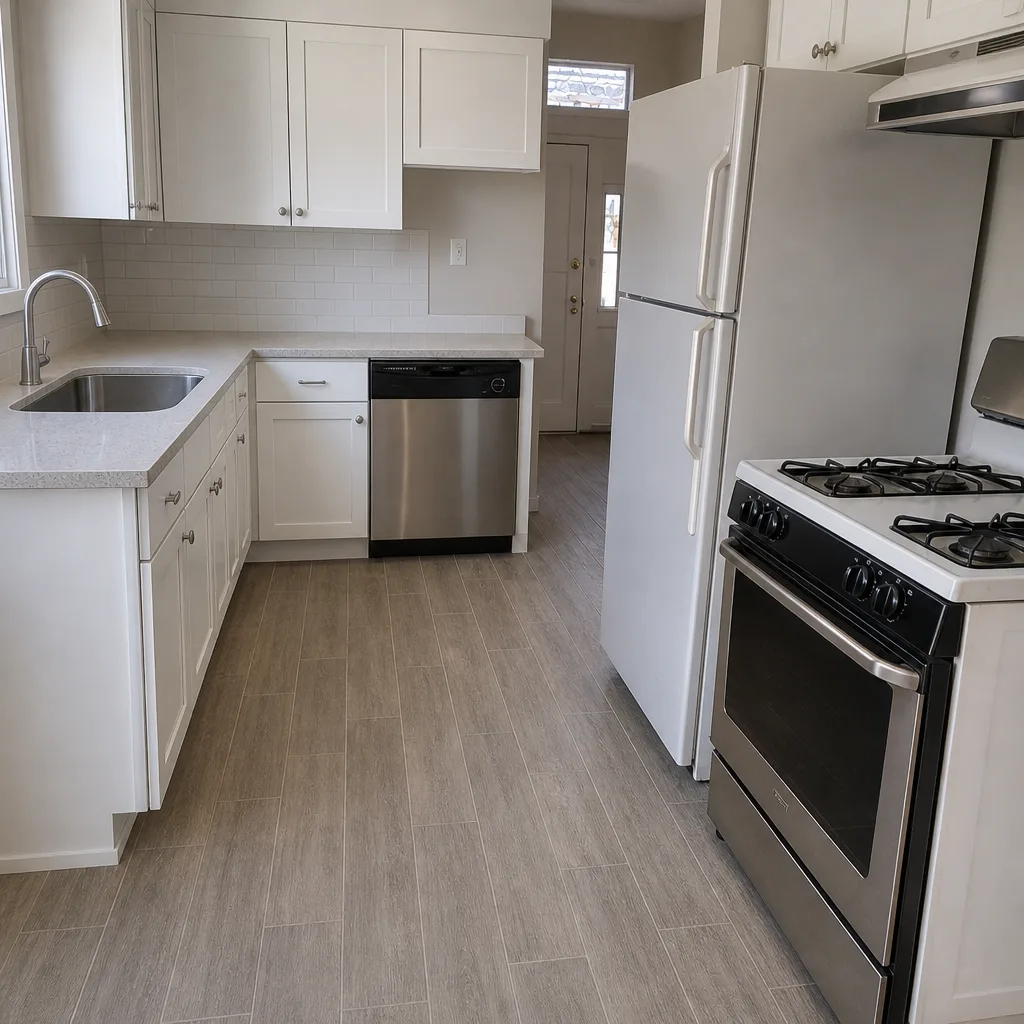
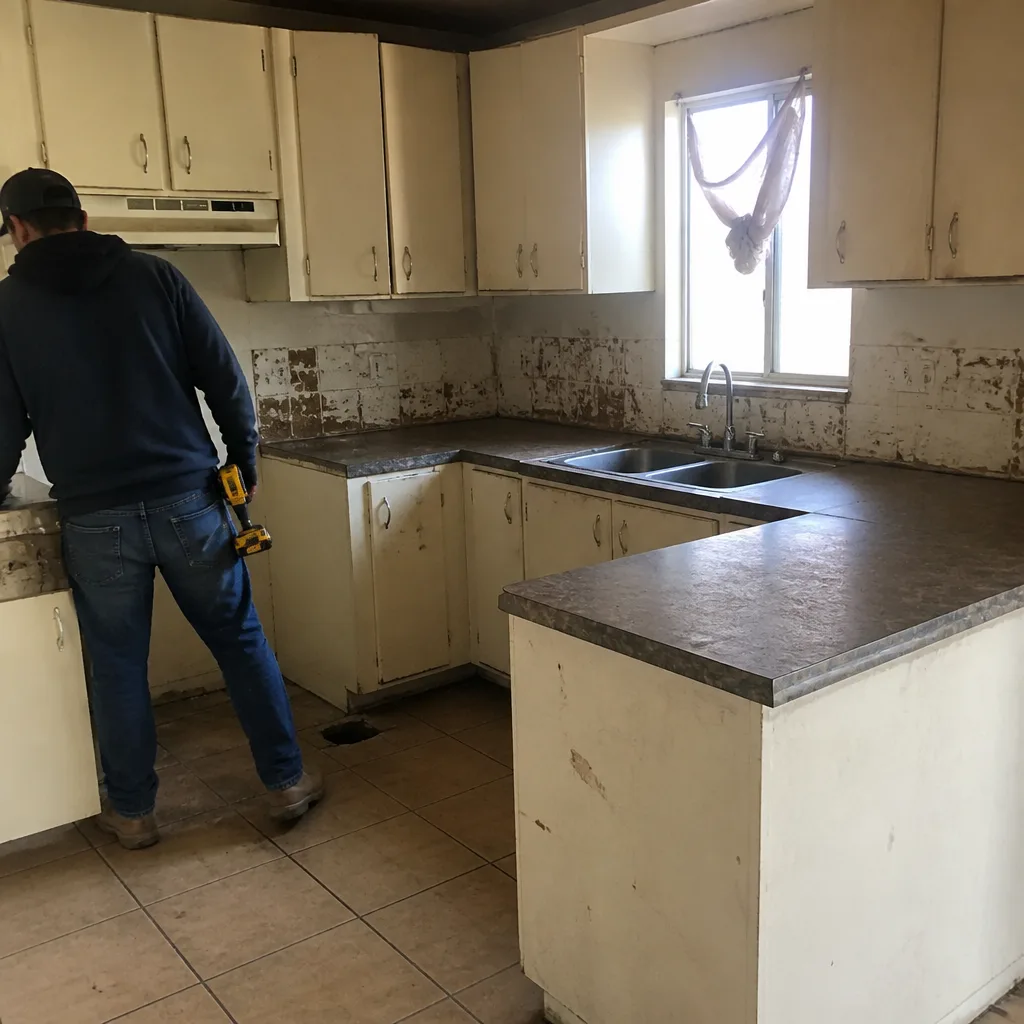
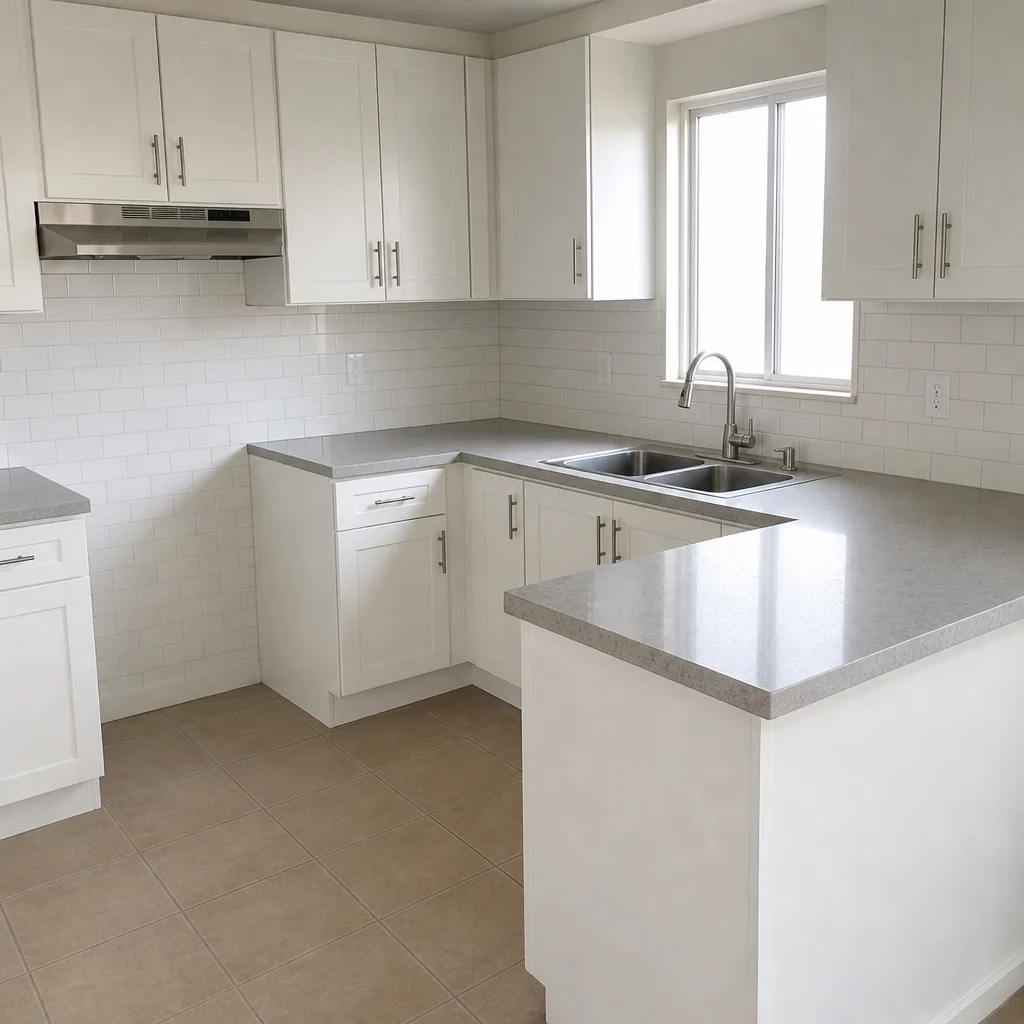
See the difference
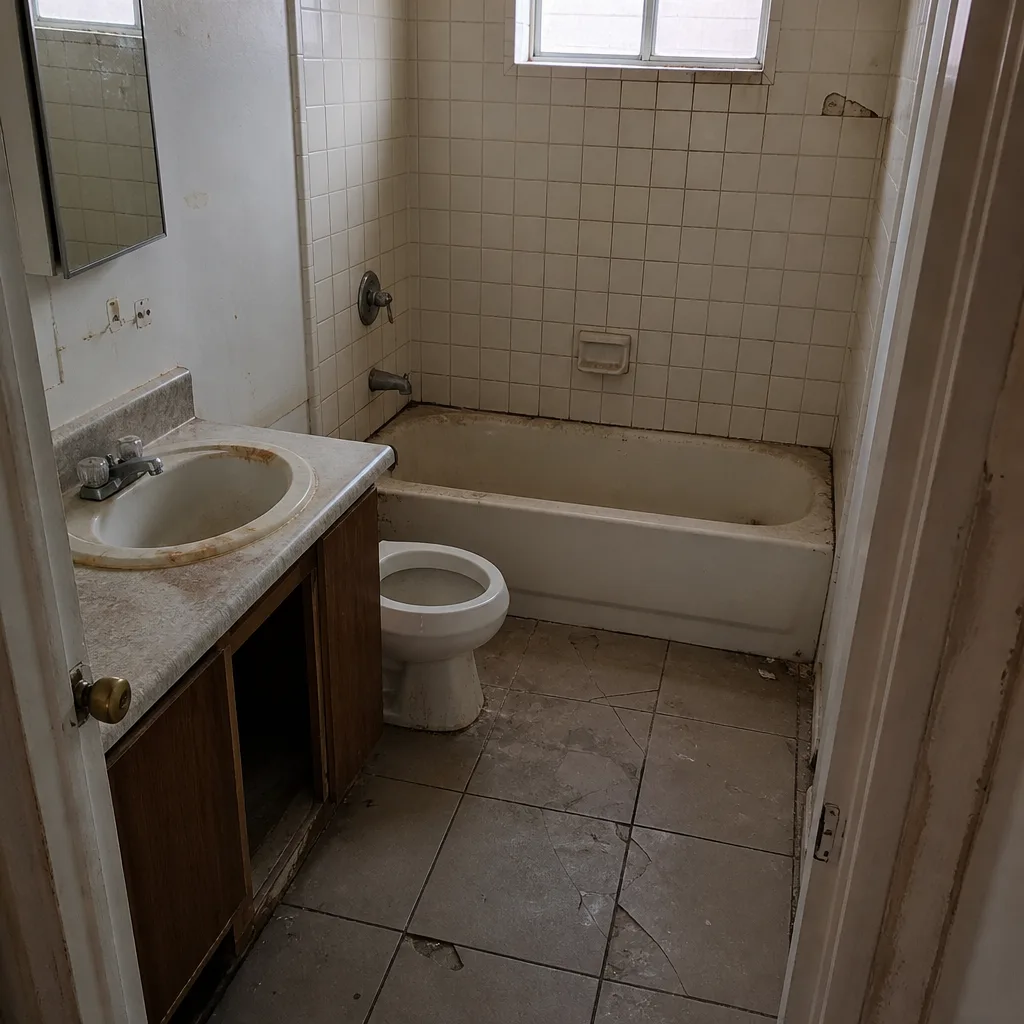 Before
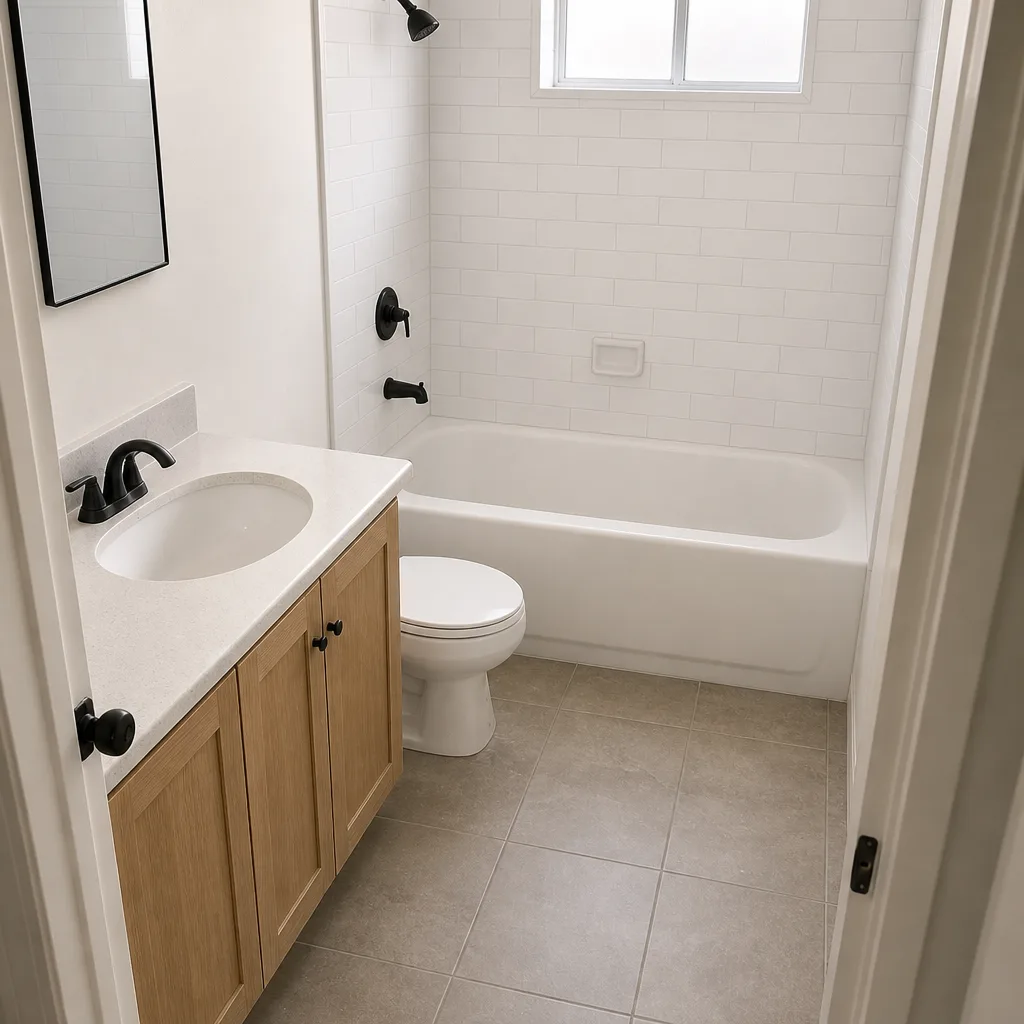 After
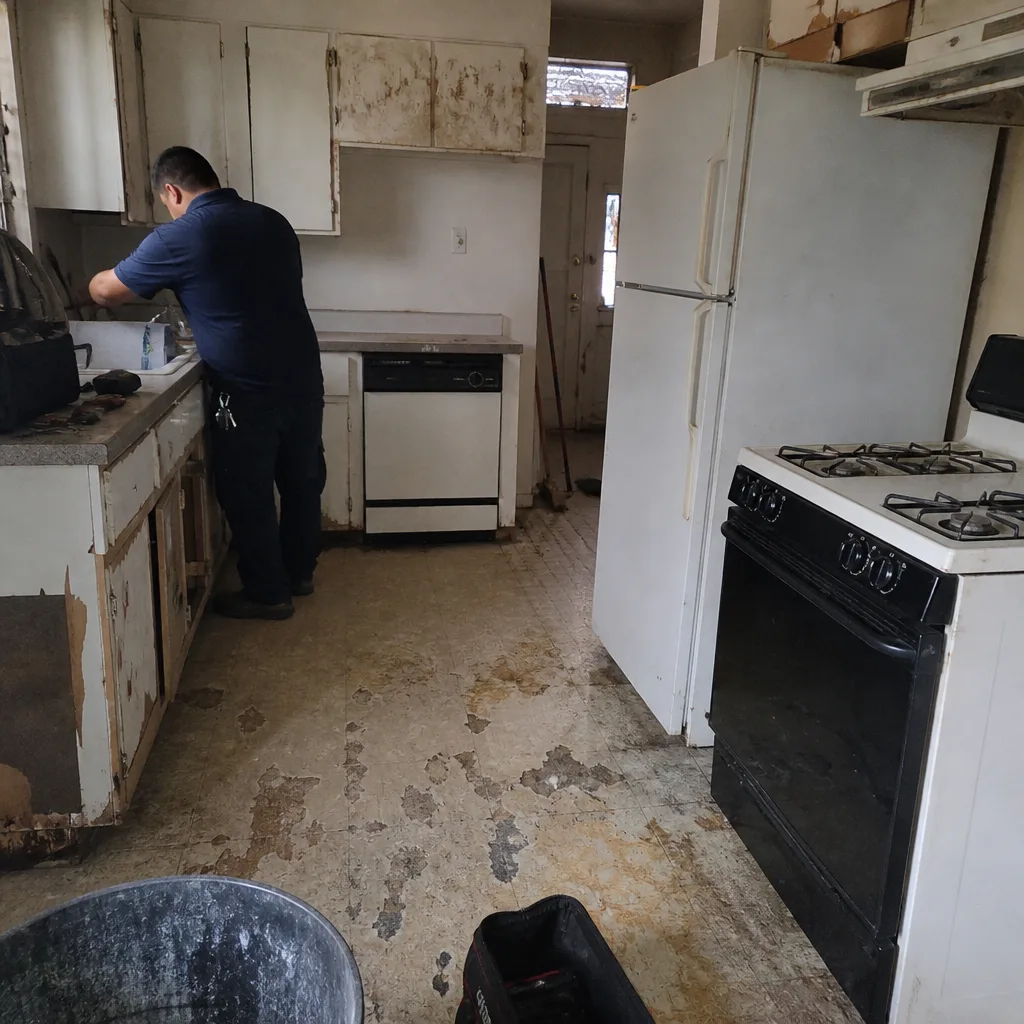 Before
 After
 Before
 After
When to Call a Professional
Call a professional when the work involves electrical panels, gas lines, structural changes, plumbing rough-in, roof work, or anything that requires a permit. Call when the scope is bigger than a weekend and the cost of failure is high. Call when the home is older than you expected and the surfaces underneath are not what the last owner promised. For homeowners in Sunrise Manor, Bradford Remodeling offers free estimates and written pricing before any work starts. You can call (844) 834-2810 to schedule a walkthrough, and a live person answers – not voicemail. Every completed project carries the 365-Day Done Right Promise in writing, so the guarantee is in your hand at job close, not in a sales pitch.
Frequently Asked Questions
In Nevada, homeowners can generally self-perform cosmetic work like painting, cabinet hardware, light fixture swaps on existing circuits, caulking, and non-structural demolition. Anything that touches structural framing, electrical panels, plumbing rough-in, or gas lines requires a licensed contractor under NRS Chapter 624. Some jurisdictions allow an owner-builder permit for more involved work on your own residence, but it comes with disclosure and resale obligations – call (844) 834-2810 if you’re unsure which side of the line your project falls on.
Usually not. Most standard policies in Nevada exclude damage from faulty workmanship and unpermitted work, so if a DIY shower pan leaks into the ceiling below, the claim is likely to be denied. The exclusion applies even if the damage itself was accidental. Call (844) 834-2810 for a free estimate on licensed, permitted work – the coverage protection alone is often worth the cost difference.
Remediation typically runs $3,000 to $8,000 for an unpermitted bathroom, and higher for structural or electrical issues that require engineer review or a full panel re-inspection. The cost climbs because the fix usually means opening up the finished work to expose the rough-in, then permitting and inspecting what’s underneath. Call (844) 834-2810 for a written price on bringing the work into compliance – estimates are free.
No. Removing any wall that might be load-bearing requires an engineer’s assessment, a permit, and a correctly sized header – guessing wrong can sag the floor above or compromise the roof. Many Sunrise Manor homes from the 1960s and 1970s have interior walls that carry load even when they look like simple partitions. Call (844) 834-2810 to schedule a free walkthrough before you pick up a saw.
Yes, and this is the smartest way to cut cost. Pulling cabinets, removing tile, clearing the work area, and bagging debris are real line-item savings on a written estimate. The work that pays off is the rough-in, waterproofing, and electrical – that’s where the guarantee lives. Call (844) 834-2810 for a written estimate that spells out exactly what you can safely handle and where the trades take over.
A written estimate covers scope, materials, labor, permits, and disposal, line by line, with a fixed price that doesn’t move at the door. Bradford’s 365-Day Done Right Promise guarantees the finished work for a full year – if it fails inside that window, we return and correct it at no charge. The Garrison Standard is the framework behind every written price and every guarantee. Call (844) 834-2810 to schedule your free estimate.
The Bottom Line
The DIY decision isn’t about whether you’re handy. It’s about what Nevada permit law, your insurance policy, and a future home inspector will actually accept. Paint, hardware, and permitted demo are safe savings. Tile and flooring are a gray zone where failure costs real money, especially in Sunrise Manor’s heat and hard water. Panels, load-bearing walls, and gas lines are never DIY. If you want the scope squared away with a written price before work starts and a full-year written guarantee after, that’s what we do. Bradford Remodeling Sunrise Manor serves Sunrise Manor with documented brands – Kohler, Moen, and others – a written price before any work starts, and the 365-Day Done Right Promise on every completed project. Call (844) 834-2810 for a free estimate.
Written by the team at Bradford Remodeling Sunrise Manor.