Last updated November 17, 2026







Free written scope consultation - allowances, timeline, and change-order rules on paper before a single trade is scheduled
Construction Permits, Codes & Inspections in NV: What You Need to Know
Here’s the mistake we see most often in Sunrise Manor: a homeowner calls the City of Las Vegas permit counter to pull a permit for a kitchen remodel or a room addition. Their parcel isn’t in the City of Las Vegas. It’s in unincorporated Clark County. The permit gets started in the wrong jurisdiction, the plans examiner kicks it back, the trades have to be re-scheduled, and a project that could have broken ground in ten days sits for another three weeks. Nevada construction permitting isn’t one system. It’s a matrix of state code, county amendments, and city overlays, and knowing which office you actually answer to is the first decision on any job. This guide walks through the jurisdiction question, the codes behind it, what’s exempt, how inspections actually sequence, and how to handle a permit record that’s been closed without a final.
Quick Answer
In Nevada, construction permits are issued by the local jurisdiction where the parcel sits, not by the state. For most of Sunrise Manor, that jurisdiction is Clark County Development Services, because the community is in unincorporated Clark County rather than inside Las Vegas city limits. The permit code itself starts with the base IRC and IBC but gets layered with Nevada Revised Statutes and Clark County amendments, and inspections run in a fixed sequence (rough-in, framing, final) that you schedule through the county’s online portal.
Styles & brands we work with
- Kitchen remodeling
- Bathroom remodeling
- Home additions & ADU
- Roofing
- Windows & doors
- Driveway & pavers
- Fence
Table of Contents
- Clark County vs. City of Las Vegas: Which Office Handles Your Permit?
- Nevada Revised Statutes and Clark County Amendments
- What’s Permit-Exempt in Clark County (and What Isn’t)
- Inspection Sequencing for a Sunrise Manor Remodel
- What “Closed Without Final” Means for Your Title
- Desert Climate, Soils, and Code Requirements Unique to Southern Nevada
- How to Vet a Nevada Contractor
- Common Mistakes to Avoid
Clark County vs. City of Las Vegas: Which Office Handles Your Permit?
The single fastest way to lose two weeks on a Southern Nevada project is to file with the wrong building department. The City of Las Vegas Building & Safety office issues permits for property inside the city limits. Clark County Development Services issues permits for unincorporated Clark County, and that includes the vast majority of Sunrise Manor. If you’re not sure which side of the line your parcel sits on, the Clark County Assessor’s parcel lookup will tell you, and it’s worth the two minutes before anyone fills out a form.
The two departments run separate portals, separate plan-review queues, and separate fee schedules. County Development Services operates through its online permit portal at the Clark County website (search “Development Services” and you’ll land on the accela-based citizen portal). The City of Las Vegas Building & Safety desk is downtown at 500 S. Grand Central Parkway. Walking into the wrong counter with a set of plans is a common rookie move, and it’s a complete restart of the intake.
Fee structure differences show up most on the permit types homeowners actually pull:
- Residential remodel or interior alteration: Valley-wide, plan review runs on a base fee plus a per-square-foot valuation calculation. Clark County tends to charge valuation-tiered fees that climb in bands, so a mid-size kitchen project sits in one tier and a whole-home remodel climbs into the next. Budget in the high hundreds to low thousands of dollars for valuation-based review on a substantial remodel.
- Water heater replacement: A flat, low-fee permit in both jurisdictions, typically under a hundred dollars in county territory. Same permit, different counter.
- Room addition or structural change: Higher valuation tiers plus structural plan review, which is where the two jurisdictions drift furthest apart in cost.
- Fence, patio cover, or hardscape wall over code height: Often pulled on an over-the-counter basis, but the height and setback thresholds that trigger a permit differ slightly between county and city code.
The practical point: before you sign a contract, confirm your jurisdiction. Our Bradford Remodeling Sunrise Manor home page spells out how we handle it on every job, but you can make the confirmation yourself in five minutes with a parcel lookup.
Nevada Revised Statutes and Clark County Amendments
Nevada doesn’t publish its own standalone residential building code. Instead, the state adopts a model code by reference and then layers amendments on top. Base requirements come from the International Residential Code (IRC) for one- and two-family homes and the International Building Code (IBC) for larger or commercial work. On top of that, the Nevada Revised Statutes (NRS) Chapter 278 and Chapter 278A set the state-level framework for planning, zoning, and building regulation, and Clark County has adopted local amendments that add things the base model code doesn’t require.
The amendments that hit homeowners most often:
- Energy code: Nevada follows the IECC with local amendments. In Southern Nevada that pushes specific insulation values, window U-factors, and duct sealing requirements that go beyond the base IRC plan-review checklist. A remodel that touches the building envelope has to document these.
- Seismic and wind provisions: The base IRC assumes general conditions. Nevada’s adopted amendments include seismic design categories that apply to structural changes, especially room additions and any work that adds or moves load-bearing elements.
- Water and energy conservation: NRS amendments in Clark County restrict turf square footage and set fixture-flow limits. If a remodel touches landscaping or plumbing fixtures, expect those thresholds on the plan review.
- Fire and life safety: Smoke and carbon monoxide alarm placement requirements track the amended code, not the base IRC, and inspectors check them at final.
- Pool safety: Nevada-specific barrier and alarm requirements apply to any pool work, and Clark County enforces them strictly because of the child-drowning record in the region.
The takeaway is that “the IRC” is never the whole answer in Nevada. Any plan set has to satisfy the base code, the state statute, and the county amendment. Our General Contractor in Sunrise Manor service handles this on every project because it’s the difference between a passed plan review and three rounds of corrections.
What’s Permit-Exempt in Clark County (and What Isn’t)
Nevada and Clark County both publish permit-exempt work lists, and they’re narrower than most homeowners assume. Cosmetic work – paint, trim, cabinet fronts, carpet, tile over a sound substrate – typically doesn’t require a permit. Neither does a same-size window replacement that keeps the existing opening. But the line gets fuzzy fast, and the exemptions that homeowners rely on to skip a permit are the ones that come back to bite them at resale.
Usually permit-exempt in Clark County:
- Interior painting, wallpaper, and trim
- Flooring replacement over an existing sound substrate
- Cabinet refacing (not replacement)
- Countertop replacement without plumbing or electrical relocation
- Same-size, same-type window replacement with no framing changes
- Fence repair or like-for-like replacement under code height (height limits vary; check the county table)
Requires a permit (and gets flagged at resale if missed):
- Water heater replacement – a low-cost permit, always required, and reverse-searchable by any buyer’s agent
- Full deck replacement – even same footprint, if it touches footings, ledger, or guard height
- Any window change that alters the opening or the header
- Room additions, garage conversions, and structural changes of any kind
- Electrical panel replacement or service upgrade
- Gas line work of any kind
- Patio covers, pergolas, and shade structures above the exempt height
A caution worth stating plainly: gas line work and electrical service work are dangerous. A trained, licensed professional should handle them, and neither is a legitimate DIY category. We don’t hand homeowners step-by-step instructions for either.
If you’re unsure whether your project needs a permit, the answer defaults to “yes, pull it.” A permit that wasn’t needed costs you a small fee. A permit that was needed and skipped can cost you a sale.
Inspection Sequencing for a Sunrise Manor Remodel
Inspections are not a single visit at the end. They’re a sequence, and each one has to pass before the next trade can move. The typical Sunrise Manor remodel runs through four to six scheduled inspections, and the calendar gaps matter as much as the milestones. In our experience, homeowners who expect a mid-size kitchen to close out inside a month are usually underestimating the county’s inspection queue.
- Pre-cover / rough-in inspection. Framing, electrical, plumbing, and HVAC rough-in all get checked while the walls are open. You cannot close drywall before this passes. If the plans examiner flags anything, you’re back in line for a re-inspection.
- Framing inspection. On additions and structural changes, this is a separate pass over sheathing, connections, and load paths. Wind and seismic provisions are checked here.
- Insulation and energy compliance. The amended energy code requires a documented check before drywall. Duct sealing and envelope detailing get verified.
- Drywall and finish rough-in (if applicable). Some projects get a mid-point check on mechanical and electrical rough-in inside closed cavities.
- Final inspection. Fixtures installed, alarms in place, GFCI/AFCI devices tested, gas connections pressure-tested. This is the one that closes the permit.
Realistic timing in Sunrise Manor: county inspection slots often book a week to three weeks out depending on workload. Plan a minimum of ten days of inspection buffer across the whole sequence, and pad to three weeks if you’re remodeling in spring or early fall when permit volume climbs. That’s the gap most schedules miss.
Any permitted project needs this sequencing, which is why our Kitchen Remodeling in Sunrise Manor page calls out the inspection calendar as part of the written scope. No surprise re-inspection fees, no re-scheduled trades. Our Bathroom Remodeling in Sunrise Manor work follows the same sequence for plumbing rough-in and final.
What “Closed Without Final” Means for Your Title
This is the line item that scares buyers more than any other. When a permit shows “closed without final” or “expired” on the county’s public record, it means the work was permitted, some inspections happened, and then the permit was allowed to lapse without a final inspection. The physical work might be perfectly fine. But from a title and disclosure standpoint, the permit record shows an open item, and a buyer’s agent will flag it.
The cure is a two-step path:
- Pull the permit record. The Clark County online permit portal shows every inspection that happened and every one that didn’t. You need the permit number and the history.
- Call Development Services and ask about a reactivation or “final after expiration” inspection. Most jurisdictions let you reactivate an expired permit with a fee, re-inspect the work, and close it. If the work fails, you get a correction list, not a dead end. Sometimes a new “as-built” permit is the route instead, depending on how much time has passed.
Get this done before you list, not during escrow. Cure costs a few hundred dollars in reactivation fees plus the re-inspection. Discovering it mid-escrow costs you negotiating leverage on the sale price and, in a tight market, a deal. Our team has walked Sunrise Manor homeowners through this cure process on permits that sat open for years.
Desert Climate, Soils, and Code Requirements Unique to Southern Nevada
Southern Nevada construction is not California construction with a different area code. The climate and soils drive code from the ground up, and inspectors know the local failure patterns.
- Expansive clay and caliche. Sunrise Manor sits on soils that swell and shrink with moisture. Footing depth and foundation detailing carry more weight here than in a coastal market. Any addition has to get the footing right, and the county will check.
- Extreme summer heat. Duct sealing, attic ventilation, and radiant barrier requirements aren’t optional here. A remodel that skips them will show up on the energy compliance check and again on the homeowner’s July power bill.
- Monsoon season (July through September). Roof drainage, flashing, and grading get tested every year. A GAF or James Hardie exterior spec that wasn’t detailed for wind-driven rain will leak, and inspectors know which details fail.
- Wind-driven dust and UV. Stucco and exterior finishes take more UV exposure in Sunrise Manor than on the coast. Exterior product selection has to hold up to it.
Hardscape and exterior structures get the same scrutiny. A Belgard or Unilock paver patio above the exempt size needs a permit, and the base prep and drainage detail matter in clay soil. We spec Belgard and Unilock because the manufacturer publishes the installation requirements that the county checks against.
How to Vet a Nevada Contractor
Nevada licenses contractors through the Nevada State Contractors Board (NSCB), and that license is searchable online. A legitimate contractor will hand you the license number without being asked, and you can confirm it in two minutes. Our technicians have up to 22 years of experience, and that experience shows up in how cleanly a project passes plan review. What it doesn’t replace is the license-verification step, which every homeowner should do.
What to verify before signing:
- Active NSCB license matching the classification for your scope of work (residential remodeling has its own classification; a handyman license won’t cover a structural change).
- Proof of general liability insurance and workers’ comp – call the carrier to confirm the policy is current, don’t take a certificate at face value.
- Written, line-item price before work starts. No “number that changes at the door.”
- A written guarantee with a term. Every Bradford Remodeling Sunrise Manor project is covered by the 365-Day Done Right Promise: if the work fails within twelve months, we return and correct it at no charge, in writing.
- Named brands and specs in the contract. When the spec says KraftMaid for cabinetry, or Therma-Tru for the door, or Moen for the fixture, it’s traceable. When it says “premium cabinetry,” it’s not.
Ask who will be on site, too. Every Bradford crew is background-checked and uniformed, so you know who’s walking through your door before they arrive. And when you call, a live person answers – 24 hours a day, 7 days a week.
Common Mistakes to Avoid
- Filing with the City of Las Vegas when your parcel is in unincorporated Clark County. This is the single most common Sunrise Manor permit mistake. The plans examiner at the wrong counter can’t process your file, and you restart the queue.
- Skipping the water heater permit to save the fee. Water heater permits are cheap and reverse-searchable. Any future buyer’s inspector will run the address, and an unpermitted swap becomes a negotiating chip against you at resale.
- Replacing a deck without a permit because “it’s the same size.” If the new deck touches footings, the ledger, or guard height, the county treats it as permitted work regardless of footprint.
- Closing drywall before the rough-in inspection. We’ve seen homeowners open a wall back up because they were impatient. That’s a re-inspection fee plus a new drywall bill.
- Ignoring the energy code compliance step. In Clark County’s heat, the insulation and duct-sealing check is not a formality. Skipping it gets the final inspection flagged and adds a return trip.
- Leaving a permit open at sale. “Closed without final” on the county record is a title issue. Cure it before you list, not during escrow.
- Hiring the lowest bid without checking the NSCB license. An unlicensed contractor can’t pull the permit, which means the work is unpermitted, which means the resale issue above.
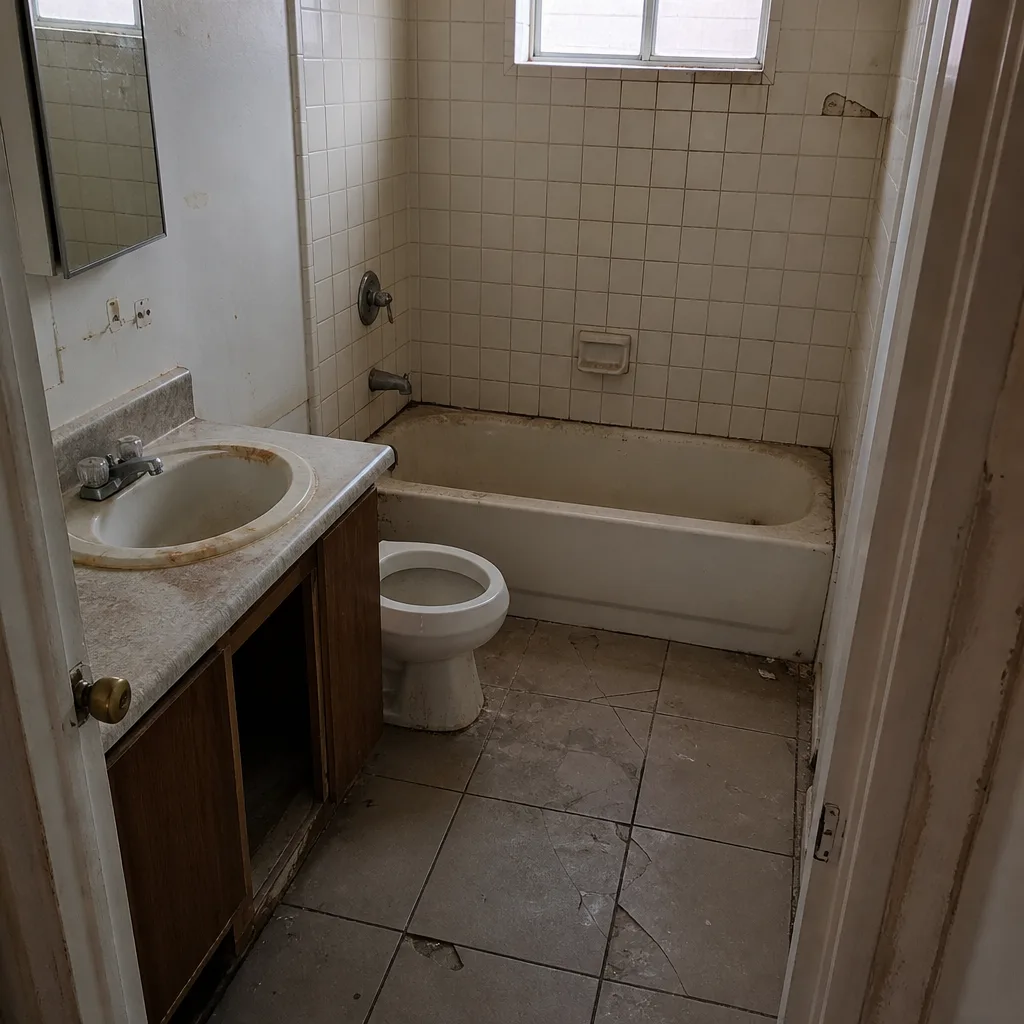
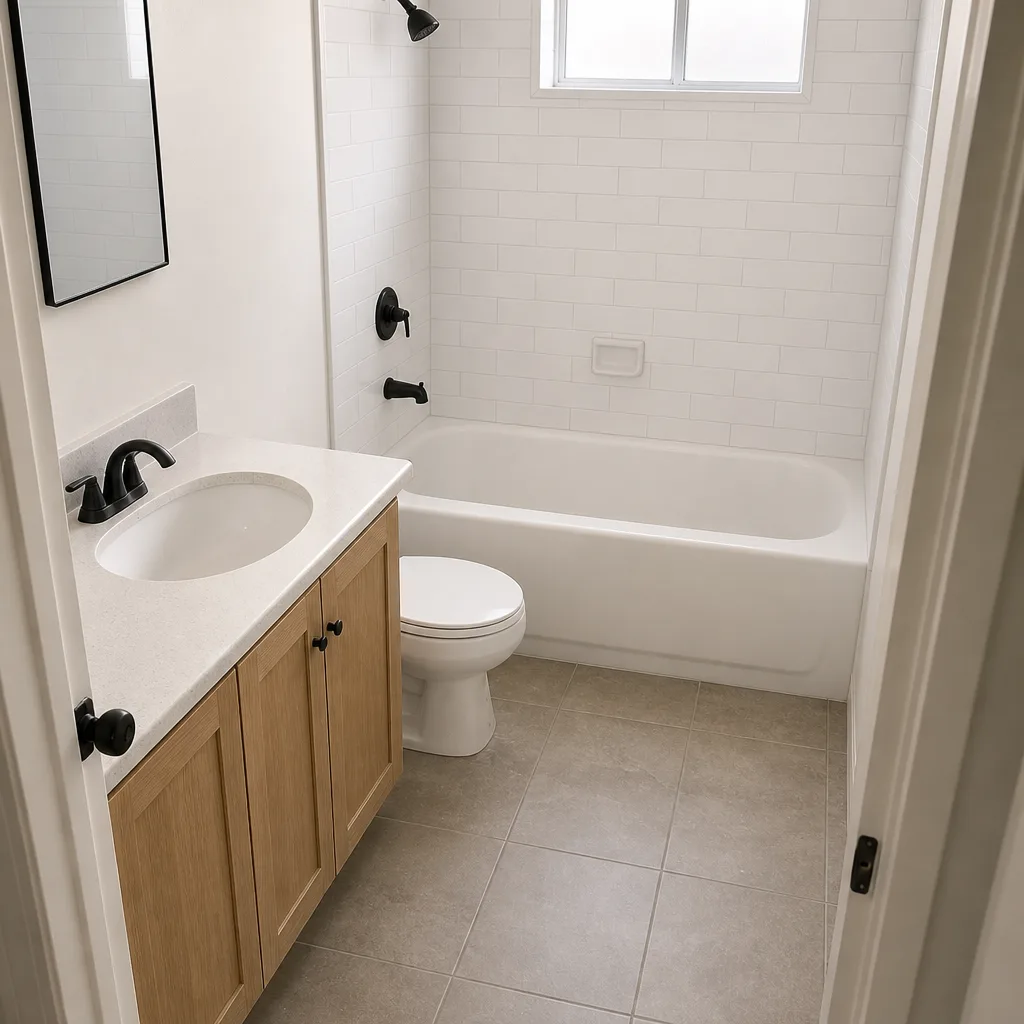
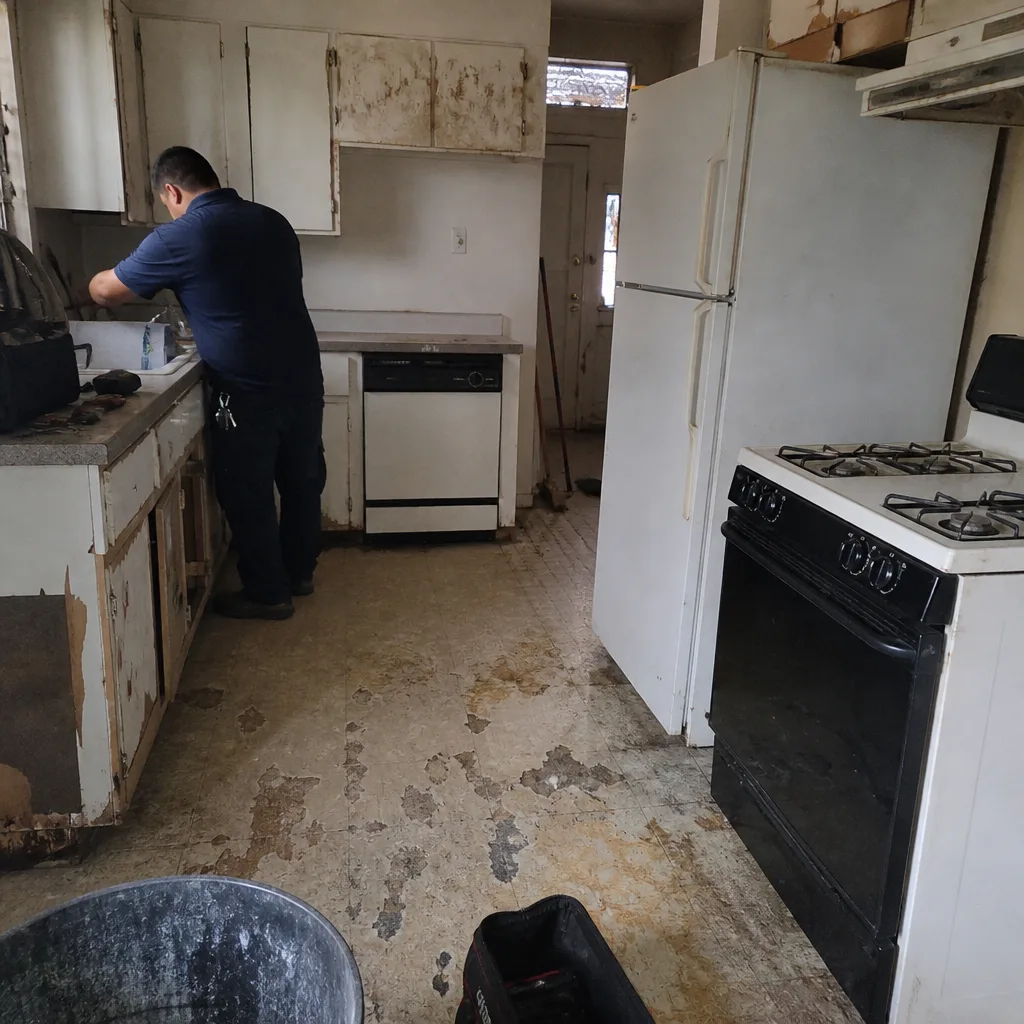
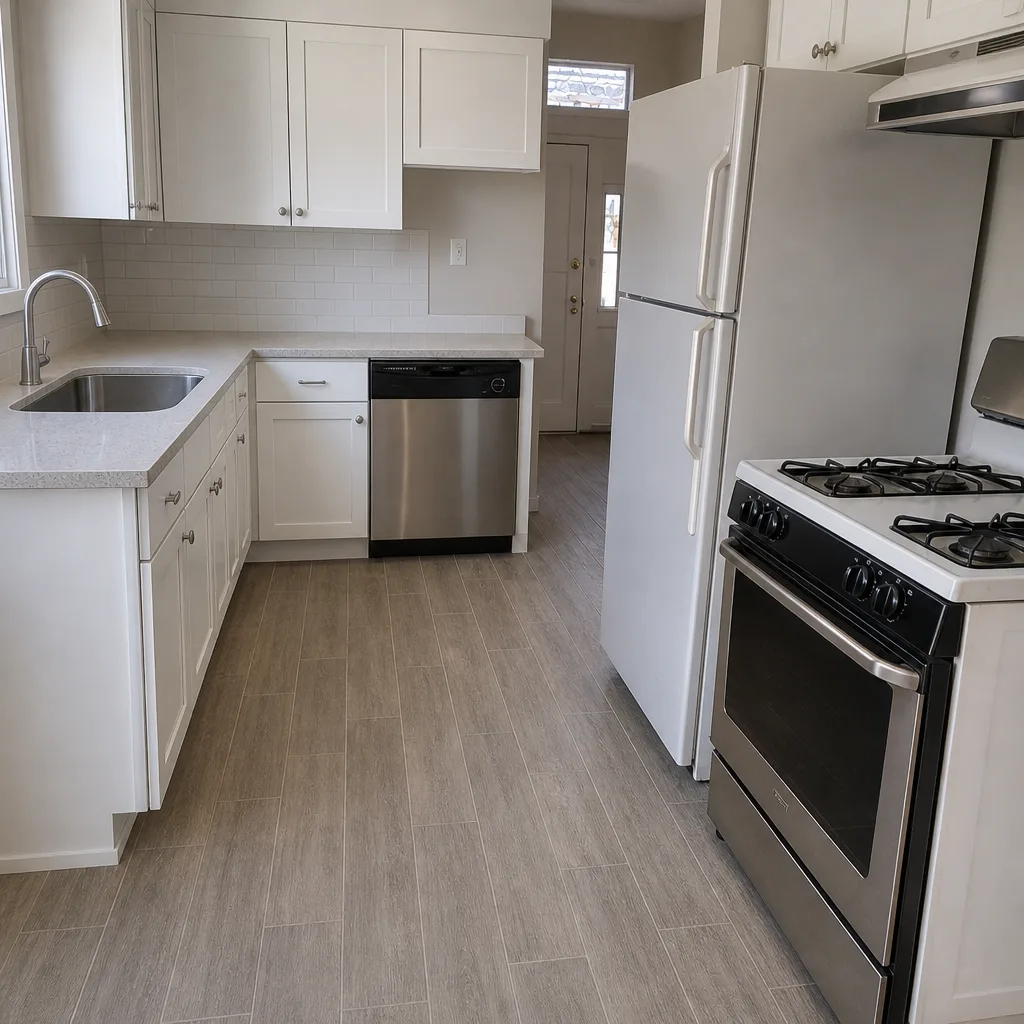
See the difference
 Before
 After
 Before
 After
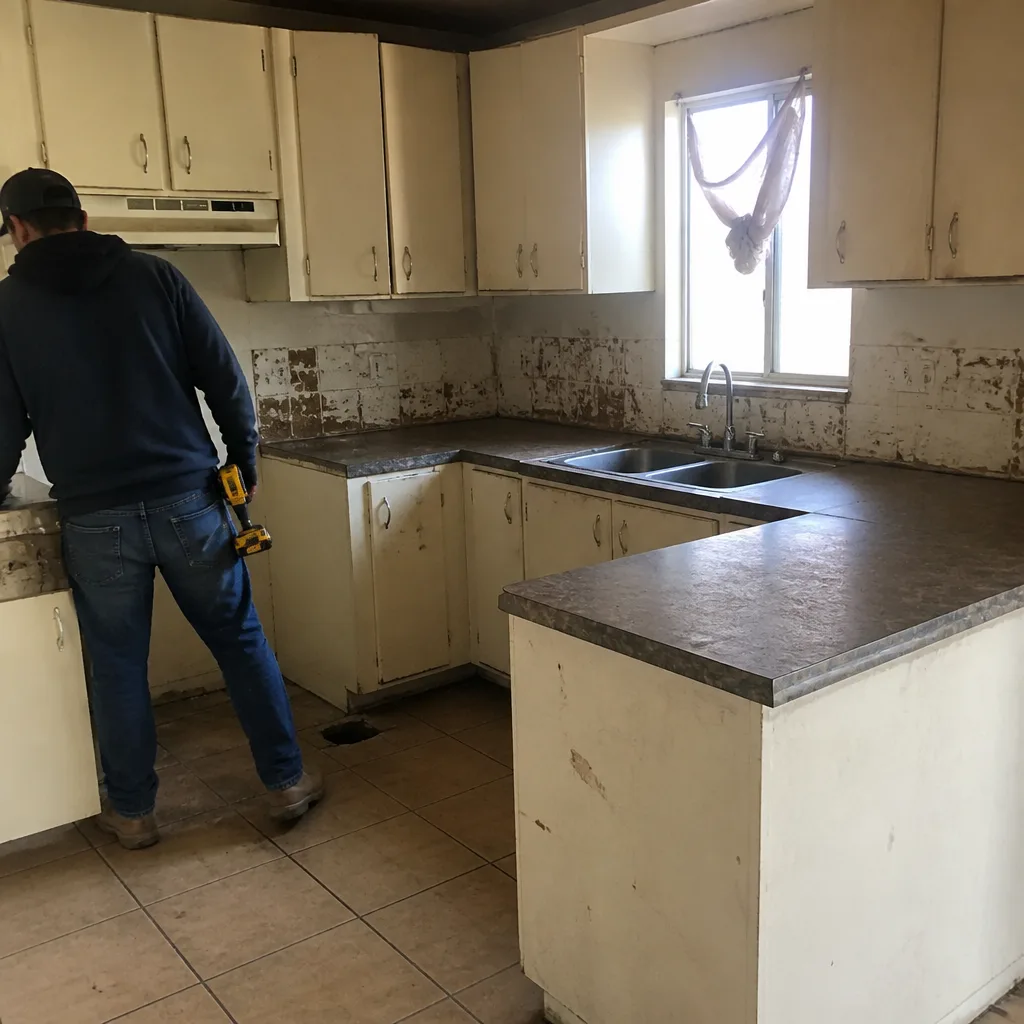 Before
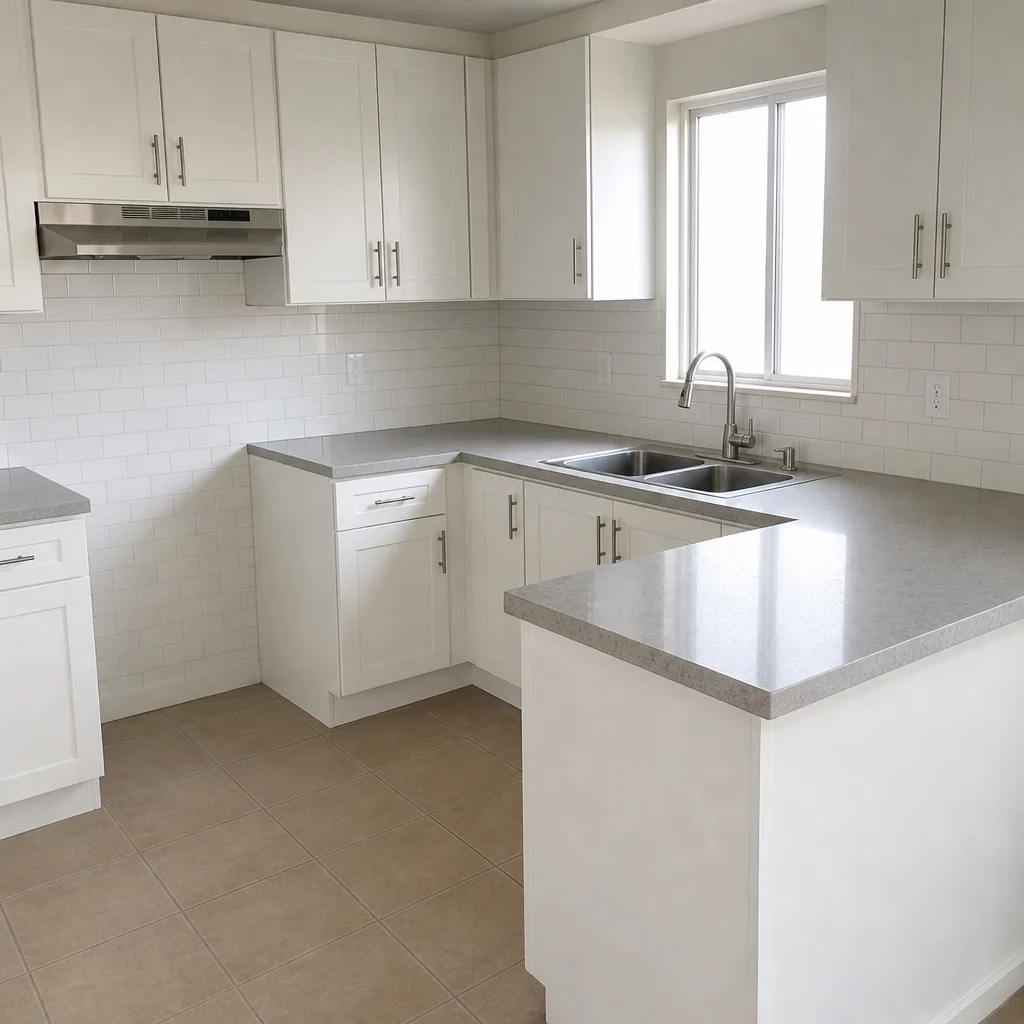 After
When to Call a Professional
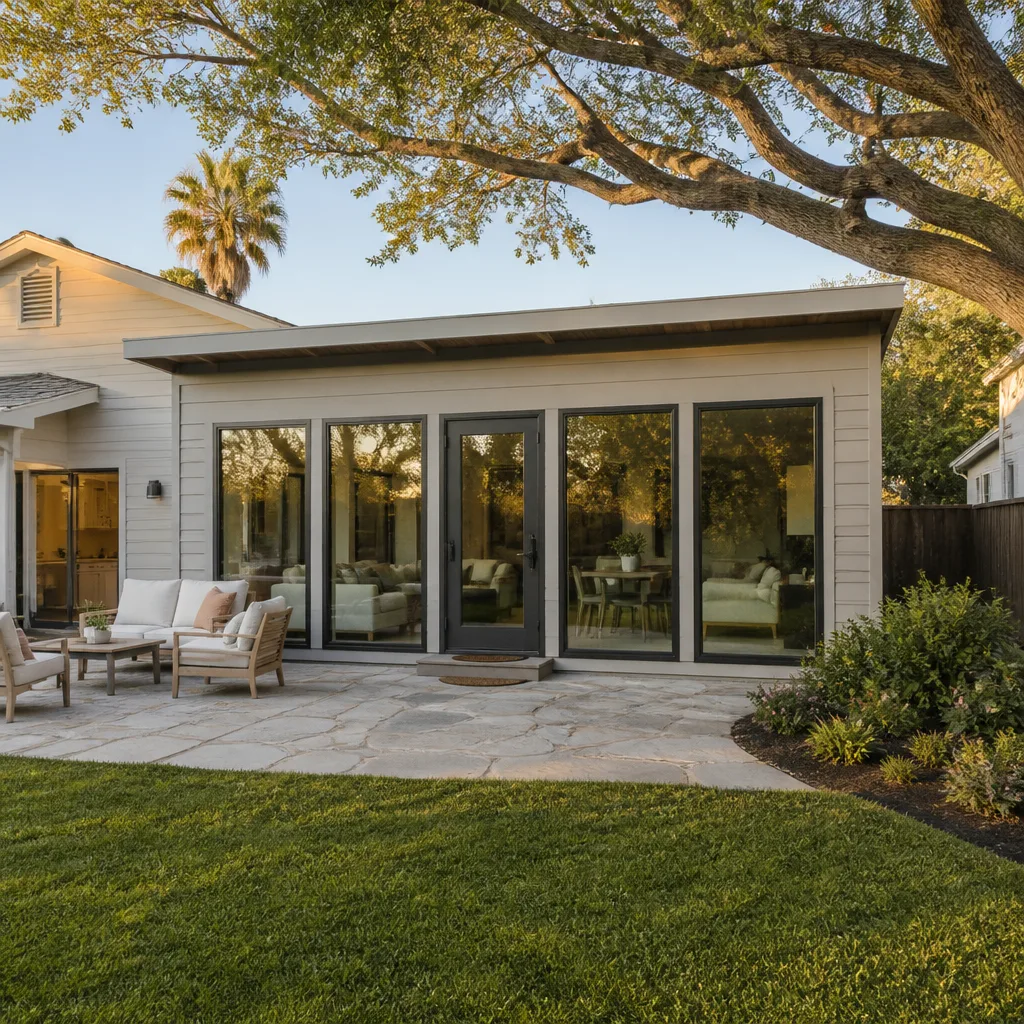
If the project touches structure, gas, electrical service, or the building envelope, it’s professional territory. Room additions, garage conversions, load-bearing wall changes, panel replacements, and any gas line work need a licensed contractor and a permit. So does a bathroom remodel that relocates the rough-in plumbing or moves the drain. These aren’t the jobs to learn on.
Running a project by the book in Clark County means pulling the permit, scheduling the inspections, and closing it out. Bradford Remodeling Sunrise Manor offers free estimates in Sunrise Manor – call (844) 834-2810 and we’ll walk through your scope, the permit path, and a written price before anything starts.
Frequently Asked Questions
Yes, if the work touches electrical, plumbing, gas, or the building envelope. A cosmetic refresh – paint, cabinet fronts, flooring, countertop swap on the same layout – usually doesn’t require a permit in Clark County. Confirm with the county’s permit desk before you start; the answer defaults to “pull it” whenever the scope is unclear. Call (844) 834-2810 for a free estimate that includes the permit path.
Clark County Development Services. Sunrise Manor is in unincorporated Clark County, not inside Las Vegas city limits, so the City of Las Vegas Building & Safety counter can’t process your file. Confirm your parcel status through the Clark County Assessor lookup, and file through the county’s online permit portal.
Plan review timing varies by scope: over-the-counter permits for water heaters and simple repairs can clear in a day or two, while residential remodel or addition plan review typically runs two to six weeks depending on the queue and the number of correction rounds. Add another week to three weeks for inspection scheduling across the project. That’s the realistic calendar, not the marketing version.
It means the permit was issued and some inspections happened, but the permit lapsed or expired before a final inspection. The work may be fine, but the record shows an open item that will surface during a title search. The cure is to reactivate the permit through Clark County Development Services, pay the reactivation fee, and pass the final re-inspection.
Not automatically. A full deck replacement that touches footings, the ledger board, or the guard height usually needs a permit even when the footprint is identical. Fence repairs and cosmetic deck resurfacing are typically exempt. When in doubt, call the county permit desk before you tear out the old structure.
A licensed contractor can pull the permit in their name for the scope of work they’re contracted to perform, and that’s the normal path for a remodel. If a contractor asks you to pull the permit as the homeowner, that’s a warning sign – ask why, and verify their NSCB license before signing anything. Call (844) 834-2810 to schedule a free estimate; we include the permit and inspection sequence in the written scope.
The Bottom Line
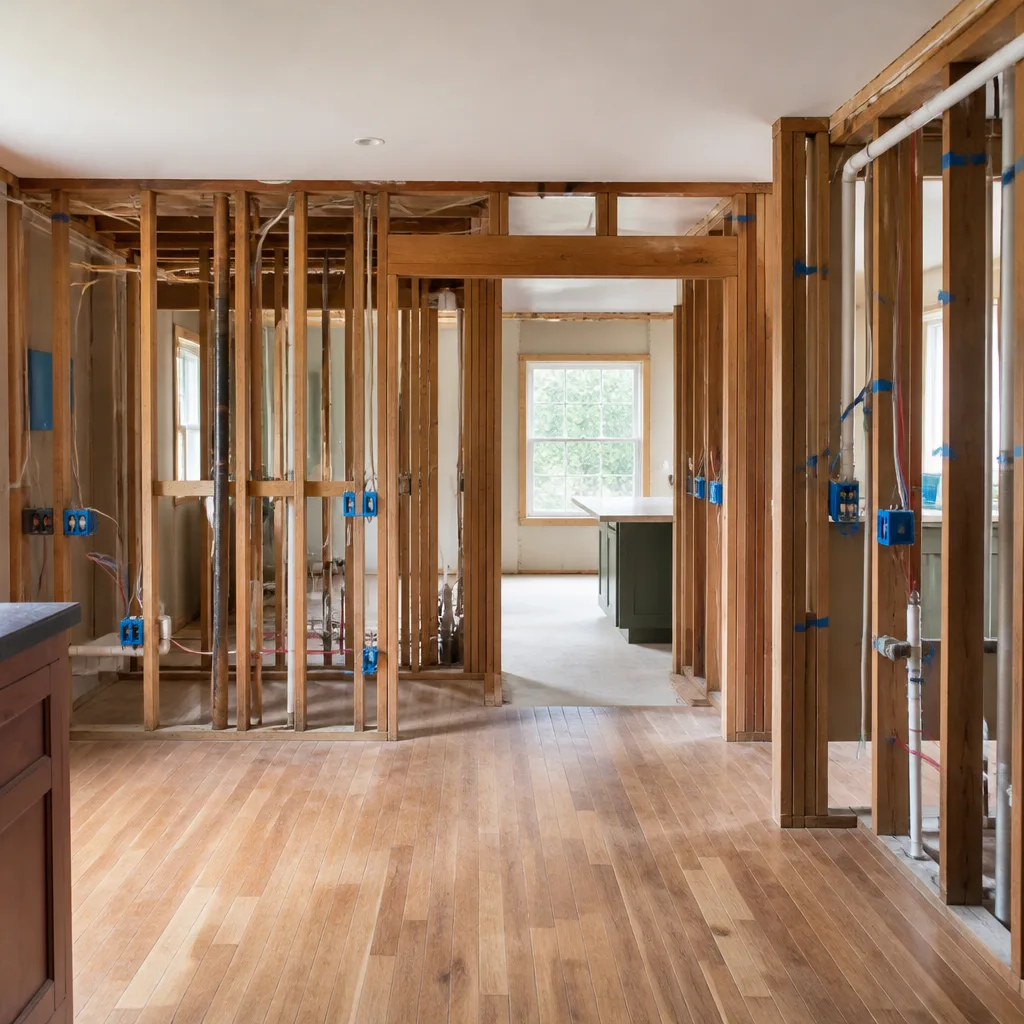
Nevada’s construction permiting runs on three layers: base IRC/IBC code, Nevada statutes and county amendments, and the local jurisdiction that actually issues the permit. For almost all of Sunrise Manor, that jurisdiction is Clark County Development Services, not the City of Las Vegas. Get the jurisdiction right, confirm what’s exempt and what isn’t, budget for inspection queues, and cure any open permit before you list. The work that fails at resale is usually paperwork, not carpentry. Get that layer squared away first, and the rest of the job goes clean.
Call (844) 834-2810 for a free estimate – written price, permit included in the scope, and a guarantee that’s in writing before a single tool comes out.
Written by the team at Bradford Remodeling Sunrise Manor.