
Last updated November 17, 2026








Free written scope consultation - allowances, timeline, and change-order rules on paper before a single trade is scheduled
Home Remodeling Troubleshooting: Common Problems and How to Fix Them
Most homeowners assume the worst moment of a remodel is the demolition dust. It’s not. It’s the Tuesday afternoon when the schedule has slipped three weeks, the tile guy is asking for another draw, and you’re standing in a half-finished Sunrise Manor kitchen trying to figure out whether you’re being unreasonable or being taken. Here’s the counterintuitive part: the wrong move in that moment usually makes the problem worse, not better. This guide walks through how to diagnose what’s actually happening, document it properly, and understand your legal position in Nevada before you write another check or walk off the job entirely.
Quick Answer
If a home remodel goes wrong mid-project, your first move is to put your concerns in writing, photograph everything, and check what your contract says about payment milestones and dispute resolution before you stop paying or pay more. Stopping payment can expose you to a mechanic’s lien in Nevada; continuing to pay without documentation can waive your right to withhold funds later. Read your contract, then act deliberately, not emotionally.
Styles & brands we work with
- Kitchen remodeling
- Bathroom remodeling
- Home additions & ADU
- Roofing
- Windows & doors
- Driveway & pavers
- Fence
Table of Contents
- Step 1: Diagnose What Kind of Problem You Actually Have
- Nevada Mechanic’s Lien Law: What Every Homeowner Needs to Know
- How to Document a Mid-Project Dispute So It Holds Up
- Schedule Delays vs. Abandonment: Two Very Different Problems
- Filing a Complaint with the Nevada State Contractors Board
- Why Your Contract Determines Your Options
- Common Mistakes to Avoid
- When to Call a Professional
Step 1: Diagnose What Kind of Problem You Actually Have
The single most common mistake we see when a remodel goes sideways is treating every problem the same way. A three-week schedule slip and an abandoned job site in Sunrise Manor are not the same category of problem, and the response to each is completely different. Before you do anything else, figure out which of these four buckets you’re actually in.
- Quality problem: The work is complete but doesn’t match the spec. Wrong cabinet door style, tile pattern off, paint sheen inconsistent. This is a warranty issue, not a legal issue.
- Schedule problem: The contractor is slow, understaffed, or waiting on materials. This is a contract performance issue.
- Scope creep problem: The price is climbing without written change orders. This is a documentation issue.
- Abandonment problem: The crew stopped showing up with no notice and no communication. This is a licensing and legal issue.
Each bucket calls for a specific paper trail. A quality problem needs a written punch list and photo evidence. A schedule problem needs a written notice citing the completion date in your contract. A scope problem needs a signed change order, or written refusal to sign one. Abandonment needs a written notice to cure, plus documentation of every attempt to reach the contractor. Get the bucket right first, then act.
The Sunrise Manor climate adds a wrinkle here that most homeowner guides ignore. Exterior work scheduled during the July-August heat in the valley routinely slips because crews shift to early mornings, and materials like stucco and concrete cure differently in 110-degree temperatures. A two-week slip on an exterior scope during a Sunrise Manor summer isn’t automatically abandonment. Context matters.
Nevada Mechanic’s Lien Law: What Every Homeowner Needs to Know
Nevada’s mechanic’s lien law is one of the most aggressive in the country for subcontractors and suppliers, and it’s the fastest way a payment dispute turns into a title problem on your house. Here’s what you need to understand before you stop paying anyone.
What a preliminary notice means
In Nevada, a subcontractor or supplier who wants to preserve lien rights must generally serve you with a preliminary notice within a specific window early in the project. If you received one of these notices in the mail and ignored it, that was a mistake. It tells you who has lien rights on your property and gives you a way to confirm they’ve been paid before you make the final payment to your general contractor.
When a lien can be filed
A lien can generally be recorded against your property if a party who provided labor or materials hasn’t been paid, regardless of whether you’ve paid your general contractor. This is the part that catches homeowners off guard: you can be current on every invoice and still get a lien filed against your title if your contractor didn’t pay a subcontractor. This is why Nevada residential contracts typically include a lien release process for each payment milestone.
What a lien does to your title
An active lien clouds your title, meaning you can’t sell, refinance, or pull equity from the property until it’s resolved. Resolving it usually means proving payment (which requires documentation) or paying the party directly (which can mean paying twice). If you’re in a Sunrise Manor remodel and something feels off with payment flows, talk to a Nevada construction attorney before you withhold anything, not after.
The takeaway: don’t stop payment unilaterally. Require lien releases with each draw, and if a subcontractor hasn’t been paid, get it in writing from the general contractor before you release the next milestone.
How to Document a Mid-Project Dispute So It Holds Up
Documentation is the difference between a homeowner who has options and one who doesn’t. Your goal here isn’t to build a legal case (that comes later if you need it); it’s to make sure every conversation you have with your contractor is captured in a way that would hold up in a small claims filing, a Nevada State Contractors Board complaint, or a lien hearing.
- Send written notice of every concern. Email is fine; text works if it’s clearly substantive. Never have a crucial conversation about a defect or delay that exists only in memory. Follow up every phone call with a summary email within 24 hours: “Confirming our conversation today, you stated the tile work would be corrected by…”
- Photograph on a schedule. Take dated photos at the end of each work week. Full-room wide shots and close-ups of specific concerns. Turn on location services so the metadata is timestamped. Store them in a cloud folder, not just your phone.
- Keep every receipt and payment record. Cancelled checks, wire confirmations, credit card statements. If a payment dispute ends up in front of the Nevada State Contractors Board, you’ll be asked to prove what was paid, when, and against what milestone.
- Track change orders in writing. No verbal changes. Every scope shift, however small, gets a signed change order with a price and a timeline. If your contractor resists written change orders, that’s a red flag worth taking seriously.
- Save the contract, the plans, and every addendum. These are the documents that define “substantial completion” and scope. Without them, you’re arguing from memory.
What “substantial completion” means legally
Substantial completion is the point at which the work is complete enough that the property can be used for its intended purpose, even if a punch list of small items remains. This matters because most contracts and Nevada lien timelines key off this date. If your contract has a “substantial completion” definition, read it carefully. If it doesn’t, that’s a gap worth correcting in future contracts; ask for a written definition of what triggers the warranty period, the final payment, and the start of any lien window.
Schedule Delays vs. Abandonment: Two Very Different Problems
A contractor who is 30 days behind schedule and answering your emails is in a completely different legal position than a contractor whose phone has been disconnected for two weeks. The first scenario is a contract performance issue. The second is a licensing and legal issue. Treat them differently.
Behind schedule: contract performance
If your contractor is behind schedule but still communicating, you have leverage in the contract. Check what your agreement says about schedule and completion. Look for a defined completion date, a liquidated damages clause (rare in residential work but not unheard of), and a dispute resolution clause. Your options here are typically: written notice of delay and request for a written catch-up plan, withholding of a final milestone payment until substantial completion, or formal dispute resolution if the contract specifies a mechanism. Call before the second missed milestone, not after the fourth.
Abandonment: licensing and legal
If the contractor has stopped showing up with no communication, you have a different problem. Send a written “notice to cure” via certified mail and email stating the last date of work, the contract completion date, and a reasonable deadline to resume. Document every attempt to reach them. If that deadline passes, you’re likely looking at a contract abandonment claim, which is a licensing violation in Nevada and reportable to the State Contractors Board. Get a Nevada construction attorney involved at this stage; the path forward involves recovering funds, protecting against liens from unpaid subcontractors, and getting a replacement contractor properly documented so you don’t compromise your position.
Why this matters in Sunrise Manor
Sunrise Manor’s mix of older housing stock and rapid infill means we see a lot of remodels where the original scope was underbid to win the job. A contractor who quoted a kitchen remodel at a number that only made sense if the substrate was in perfect condition will often stall once they find the wall behind the tile isn’t square. If you’re seeing repeated “we found a problem” conversations with escalating numbers, you may be in a scope-creep cycle, which is a documentation problem, not an abandonment problem. Different playbook.
Filing a Complaint with the Nevada State Contractors Board
The Nevada State Contractors Board (NSCB) is the state agency that licenses contractors and handles complaints against them. Knowing what the Board can and can’t do for you changes the calculation on whether to file.
What the Board can do
- Investigate complaints about licensing violations, workmanship defects, and contract abandonment
- Require a licensed contractor to correct defective work or face disciplinary action
- Impose fines, suspend licenses, or revoke a contractor’s license for serious violations
- Facilitate mediation or a resolution process between homeowner and contractor
- Provide a record of the complaint that other homeowners can reference
What the Board cannot do
- Force a contractor to refund money or pay damages. That’s a civil matter.
- Resolve disputes involving unlicensed contractors. If the person who took your money isn’t licensed in Nevada, the Board has no jurisdiction over them.
- Act quickly. The complaint process is not a fast fix.
- Override your contract. If your contract specifies binding arbitration or private dispute resolution, the Board’s authority is limited by what you signed.
What to expect on timeline
Filing a complaint with the NSCB typically takes weeks to be assigned, followed by an investigation phase that can stretch considerably longer depending on complexity. Expect the resolution process to span months, not days. For homeowners facing an abandoned project or a serious defect, this means the Board complaint runs in parallel with your other moves (attorney, replacement contractor, lien protection), not as a replacement for them.
If you’re weighing a Board complaint against legal action, talk to an attorney first. Filing a complaint doesn’t waive your other rights, but the sequence matters, and you want the right people working the problem in the right order.
Why Your Contract Determines Your Options
The difference between a homeowner with options and one without is almost always the contract. A verbal agreement or a one-page “proposal” leaves you with almost nothing to work from when a dispute arises. A well-written contract changes the entire dynamic.
What a good contract contains
- Defined scope: A detailed scope of work, not a list of rooms. “Kitchen remodel” is not a scope; a schedule of specific items with brands and model numbers is a scope.
- Phase-based payment milestones: Payments released against completed milestones, not dates on a calendar. Each milestone is inspectable and expressed as a percentage or dollar amount tied to specific work.
- Written change order process: Every scope shift requires a signed change order with a price and a timeline. No work proceeds on verbal approval.
- Completion date and delay provisions: A defined completion date and what happens if it slips, including any remedy.
- Dispute resolution clause: Mediation first, arbitration or court second. This clause defines your path forward and is often the difference between a resolution and a stalemate.
- Warranty terms: What’s covered, for how long, and what the remedy is. At Bradford Remodeling Sunrise Manor, our 365-Day Done Right Promise puts a full-year written guarantee on every completed project – if the work fails inside that window, we return and correct it at no charge, and the term and coverage are spelled out in writing before the job begins.
- Lien release process: Written lien releases required for each payment milestone. This is your protection against the subcontractor payment trap.
Why phase-based milestones change the game
When payments are tied to inspectable milestones, the homeowner’s leverage in a dispute is concrete: hold the milestone payment until the milestone is corrected. When payments are tied to calendar dates, the homeowner is arguing from memory and hopes. If your current contract doesn’t have phase-based milestones, that’s a gap to fix, and one we put in writing on every project as a matter of course. Browse our general contractor services in Sunrise Manor for how we structure project pricing and payment before any tool comes out.
Common Mistakes to Avoid
- Stopping payment entirely without written notice. In Nevada, withholding funds without documentation can expose you to a mechanic’s lien from subcontractors who did nothing wrong. Send written notice citing the specific concern first, then withhold strategically, not emotionally.
- Continuing to pay through a scope dispute without written change orders. Every payment you make against disputed work narrows your right to withhold later. If the scope changed, get it in writing before the check goes out.
- Communicating verbally and hoping it works out. Phone calls don’t exist in a Board complaint or lien hearing. Follow up every conversation in writing within 24 hours. This is the single biggest thing that separates a homeowner with leverage from one without.
- Hiring an unlicensed contractor to save money on a Sunrise Manor remodel. Unlicensed contractors are outside the jurisdiction of the Nevada State Contractors Board, meaning your complaint process evaporates. The Board can’t help you if the person who took your money doesn’t hold a Nevada license.
- Ignoring a preliminary lien notice. If a subcontractor sends you one, it means they have lien rights on your property. Call your contractor and get the payment flow documented before the next draw.
- Treating a schedule slip the same as abandonment. A slow contractor still on site and communicating is a contract performance issue. A vanished contractor is a licensing problem. Copying the same letter to both scenarios wastes time.
- Filing a Board complaint before talking to an attorney. Complaint timing and sequence matter, especially if your contract has a dispute resolution clause. Get counsel before the filing goes out.
If you’re in the middle of a remodeling project in Sunrise Manor and something doesn’t feel right, the fastest first step is a written email to your contractor summarizing the concern. If you haven’t started the project yet, the fastest step is to compare your contract against the list above. See what a properly structured project looks like by reviewing our kitchen remodeling work in Sunrise Manor and our bathroom remodeling work in Sunrise Manor before you sign anything.
When to Call a Professional
Some problems are DIY-fixable. A misaligned cabinet door or a small drywall patch isn’t worth a phone call to anyone. But these scenarios call for a licensed professional, and quickly: an active mechanic’s lien filed against your property, a contractor who has stopped showing up with no communication, water damage discovered mid-remodel that suggests a hidden plumbing or waterproofing failure, electrical or gas work that doesn’t match the permitted scope, or any structural work where you can see the substrate or framing moving under load. In each of these, the cost of a wrong move (paying more, withholding incorrectly, or letting a small problem compound) exceeds the cost of getting professional eyes on it. Bradford Remodeling Sunrise Manor offers free estimates in Sunrise Manor – call (844) 834-2810 to get a documented scope, a written price before work starts, and a crew that walks you through what’s actually happening on your project.
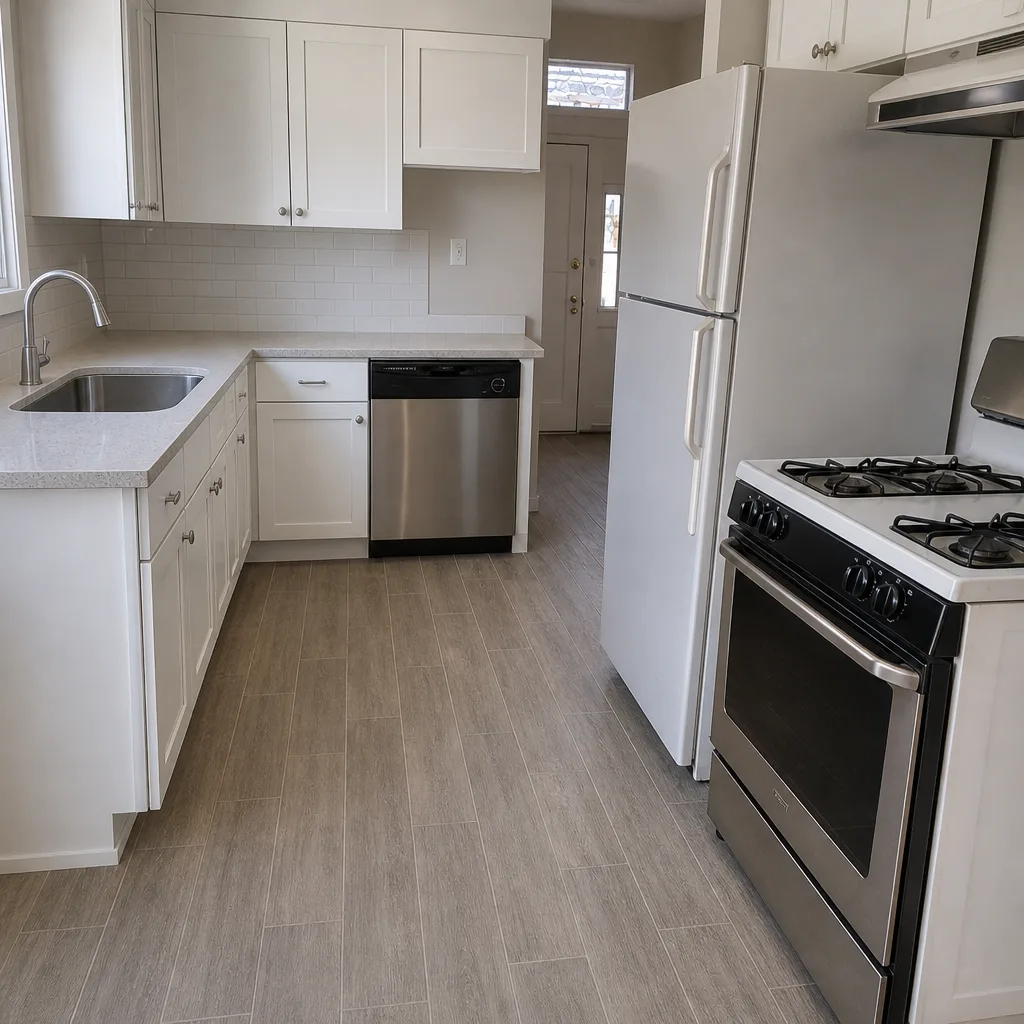
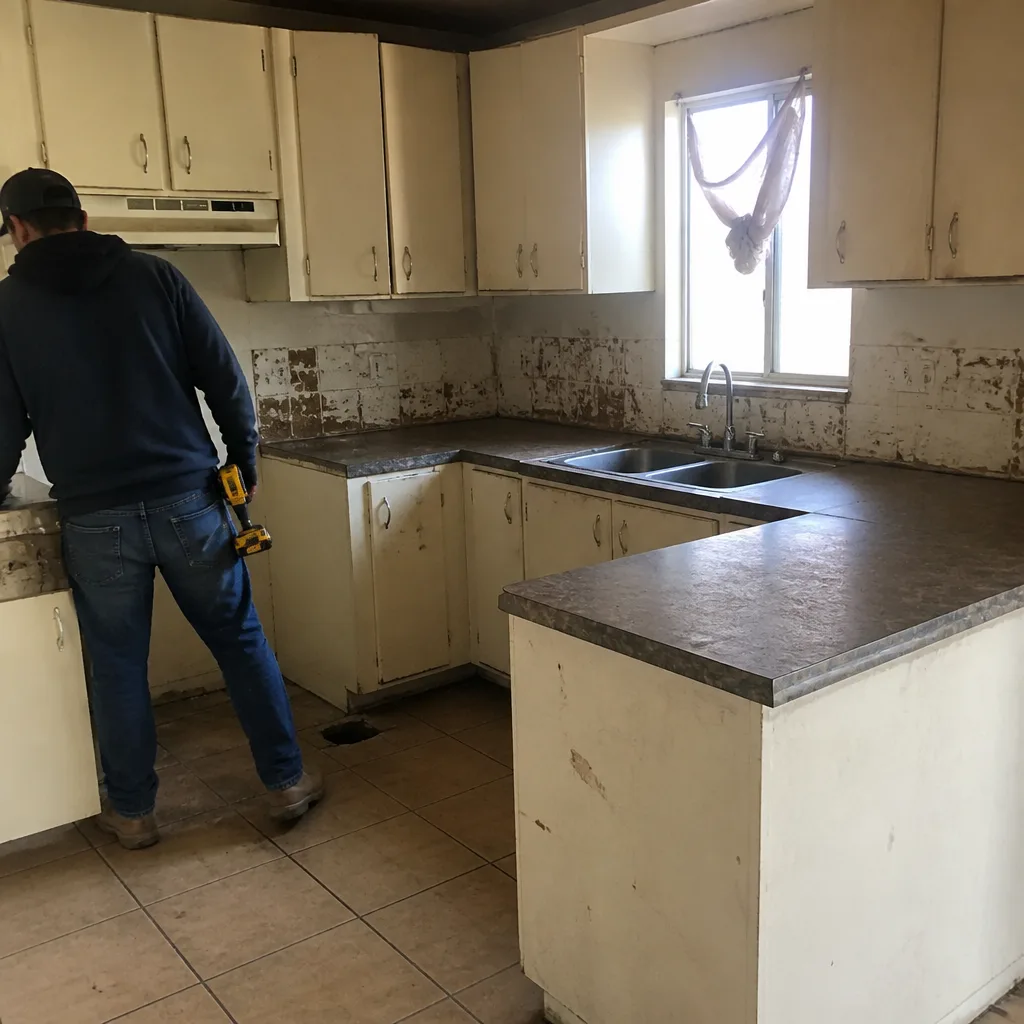
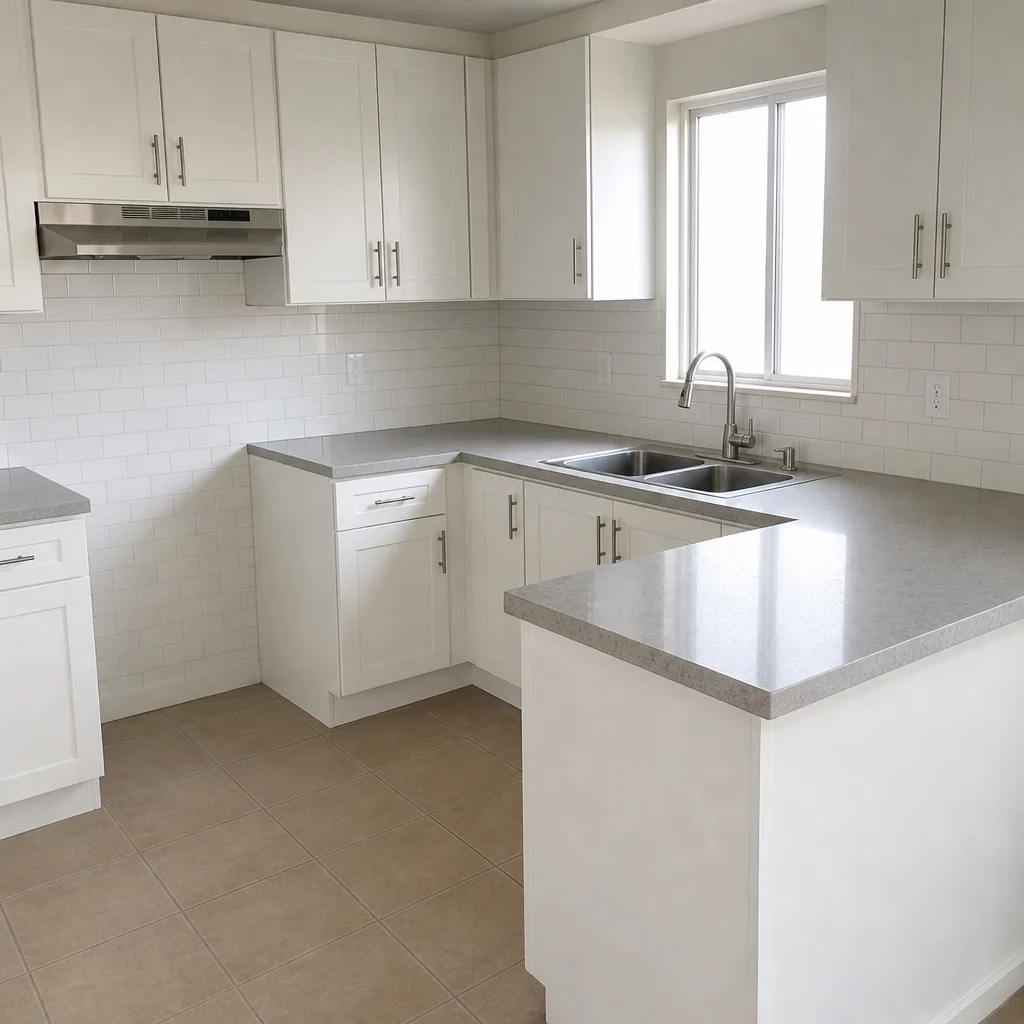
See the difference
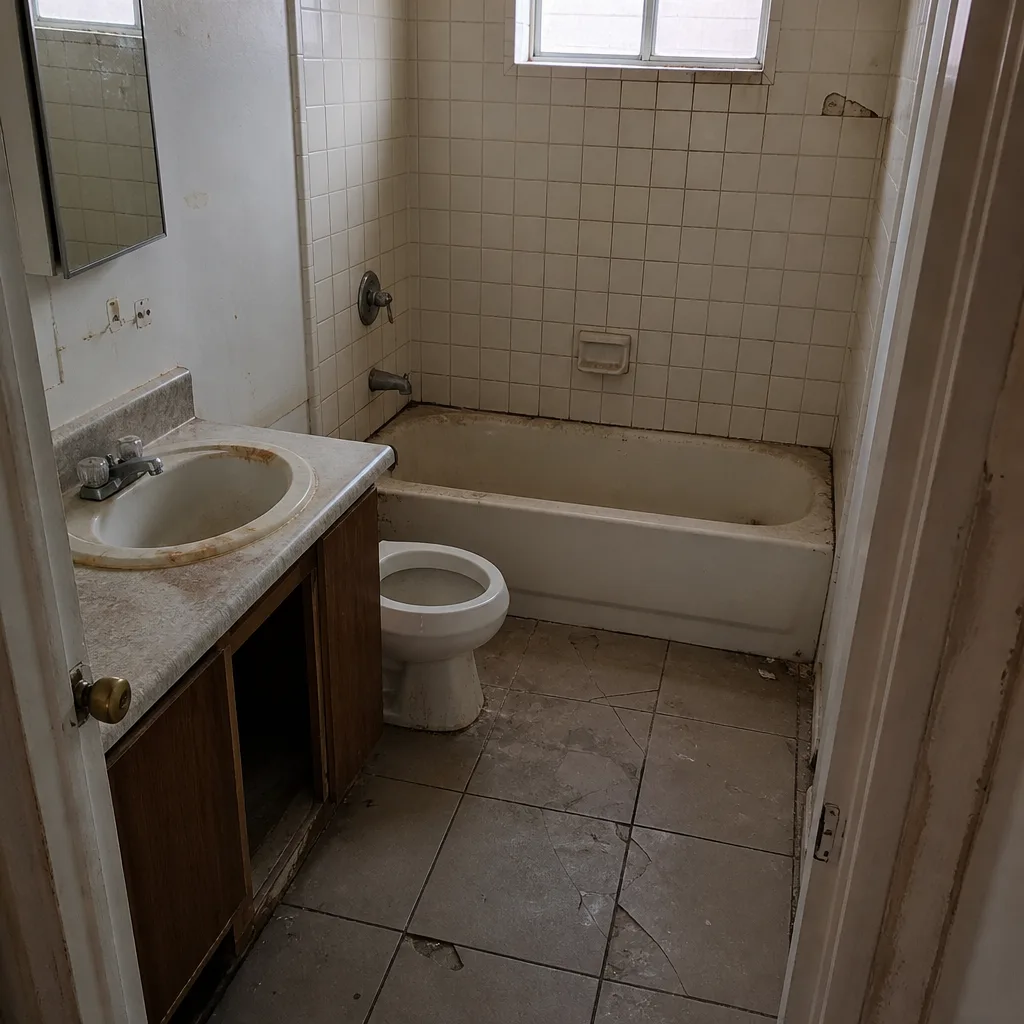 Before
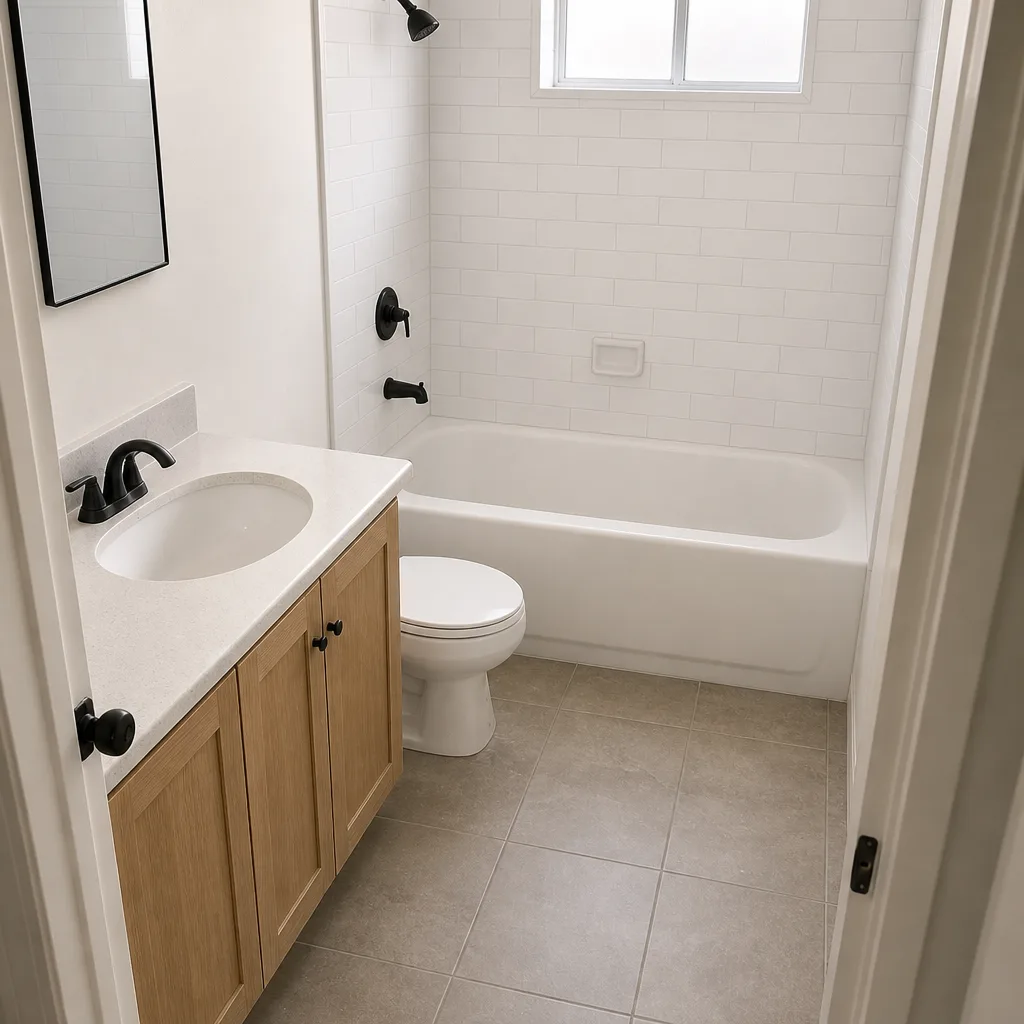 After
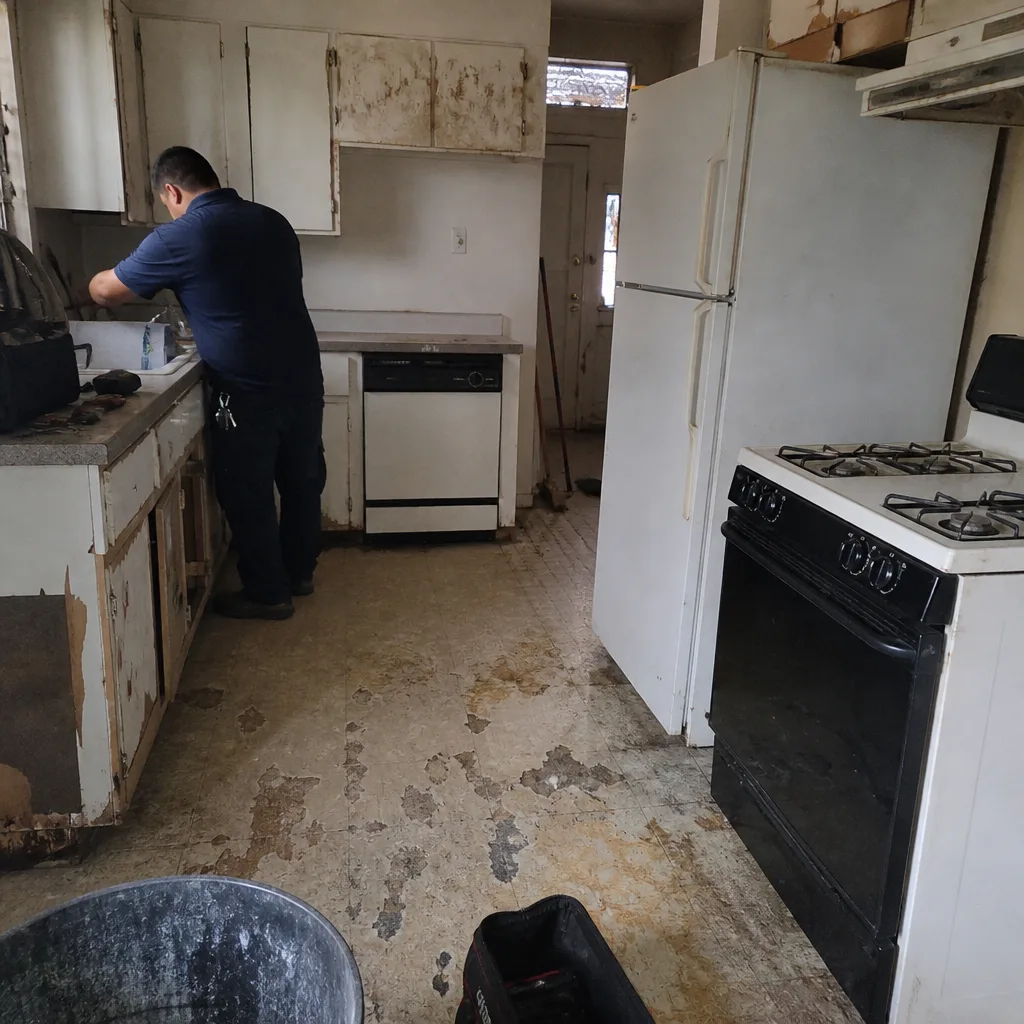 Before
 After
 Before
 After
Frequently Asked Questions

You can stop paying, but only after you’ve sent written notice of the specific defect and given the contractor a reasonable window to correct it. Stopping payment without documentation can trigger a mechanic’s lien from unpaid subcontractors. Document the defect, send written notice, and only then withhold the specific milestone tied to that work.
Expect the process to take several months from filing to resolution. Complaints are assigned and investigated in sequence, and complex disputes take longer than simple workmanship claims. File early if you’re going to file, and run the complaint in parallel with other options rather than as a substitute for them.
A preliminary lien notice means a subcontractor or supplier on your project is preserving their right to file a lien on your property if they aren’t paid. It doesn’t mean you owe them money today. It means you should confirm with your general contractor that the party is being paid, and that you receive a written lien release with each milestone payment.
Not necessarily. Being behind schedule is a contract performance issue, not a licensing violation, unless the contract specifies a completion date you can prove was violated or the contractor has effectively abandoned the job. A slow contractor who’s still communicating and showing up is a different legal category from one who has vanished.
Substantial completion is when the property can be used for its intended purpose, with only a punch list of minor items remaining. Final completion is when every item on that punch list is done. Most contracts and lien timelines key off substantial completion, so make sure your contract defines it in writing.
Not for every dispute. A quality defect that the contractor agrees to fix doesn’t need legal involvement. You do want counsel if a lien has been filed, if the contractor has abandoned the job and you’re trying to recover funds, or if subcontractors are filing notices that your contractor isn’t addressing. The cost of a consultation is small compared to the cost of a title cloud on your home.
If your remodel is in Sunrise Manor and you’re trying to figure out your next move, our team can walk through the project with you. Explore our Bradford Remodeling Sunrise Manor home page to see what a properly documented project looks like from first estimate to signed guarantee in hand, and call (844) 834-2810 for a free estimate whenever you’re ready to compare notes.
The Bottom Line
When a remodel goes wrong, the two biggest mistakes are stopping payment without documentation and continuing to pay through a dispute without written change orders. Both paths narrow your options, and both can put your title at risk in Nevada. The right sequence is: diagnose the problem honestly, document it in writing, check what your contract says about payment milestones and dispute resolution, and only then decide whether to withhold, pay, file, or consult an attorney. A contract with phase-based milestones, a defined completion date, and a written warranty changes the entire game. That’s what The Garrison Standard looks like on paper – a written price before work starts, brand specs that are documented and traceable, background-checked uniformed technicians, and a 365-Day Done Right Promise in your hand at close. If you’re planning a remodel in Sunrise Manor and want the project squared away from day one, call (844) 834-2810 for a free estimate.
Written by the team at Bradford Remodeling Sunrise Manor.