Last updated November 17, 2026








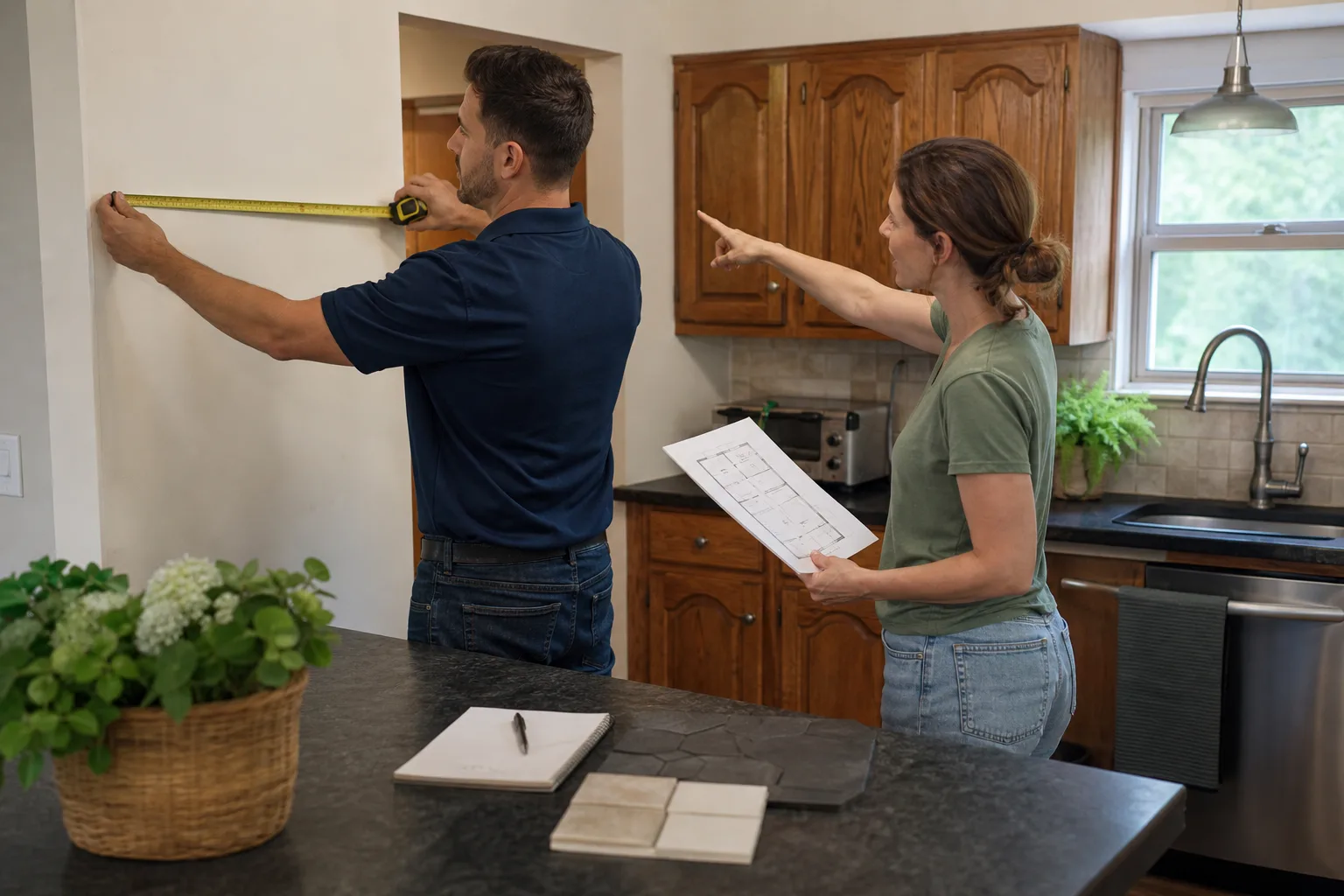
Free written scope consultation - allowances, timeline, and change-order rules on paper before a single trade is scheduled
General Contractor Troubleshooting: Common Problems and How to Fix Them
We’ve watched it happen more times than we’d like in Sunrise Manor: a remodel starts strong, then the framing goes up wrong, the tile arrives cracked, and the general contractor stops returning calls. Most homeowners assume they’re dealing with a construction failure. Usually they’re dealing with a contract failure that only showed up in the framing or the tile. Somebody didn’t write down who was responsible for what, and now nobody wants to own it. In this guide, we walk through the ten most common mid-remodel breakdowns we see on jobs in Sunrise Manor and across the valley, with the specific language and leverage points you need to fix them without blowing up the job.
Quick Answer
When a general contractor problem derails your remodel, the fix almost always starts with the paperwork, not the tools: check your written scope, your payment schedule, and your change order log before you do anything else. In Nevada, an unresponsive or abandoning contractor may already be exposing themselves to formal contract-abandonment claims once you serve proper written notice. Most issues can be resolved with a written demand, an inspection correction notice, or a lien waiver audit rather than a lawsuit.
Styles & brands we work with
- Kitchen remodeling
- Bathroom remodeling
- Home additions & ADU
- Roofing
- Windows & doors
- Driveway & pavers
- Fence
Table of Contents
- What “Contract Abandonment” Actually Means in Nevada
- How to Read a Lien Waiver (and Why You Need One at Every Draw)
- Change Order Creep: How to Audit a Project That Ballooned
- When a Clark County Inspector Red-Tags the Work
- Punch List vs. Warranty Claim: Don’t Confuse Them
- When the Contractor Goes Silent Mid-Project
- Draw Payment Disputes: What You Can Legally Hold Back
- Hiring a Replacement GC the Right Way
What “Contract Abandonment” Actually Means in Nevada
A GC going silent mid-project is not just a communication problem. Under Nevada law it may already meet the threshold for contract abandonment, a distinction that decides whether you can legally hire a replacement and bill the original contractor for the cost difference. The difference matters because if you hire a replacement without proper notice, you may be the one in breach.
Contract abandonment generally means the contractor has stopped performing without justification and without notice, leaving the work unable to proceed. Nevada doesn’t require a specific waiting period in every case, but best practice, and what most construction attorneys will tell you, is a paper trail that starts immediately. Here’s the sequence we recommend homeowners follow before hiring a replacement GC in Sunrise Manor:
- Send written notice of default to the contractor at the address on the contract by certified mail. State the specific work not performed, the dates, and a firm cure deadline (typically 10 business days).
- Document the site with dated photos of exactly where work stopped, the state of materials, and any damage from sitting idle. Sunrise Manor’s summer heat can warp framing and finish lumber, so document within days, not weeks.
- Request a written status of the work and any subcontractor or supplier names the GC has contracted with on your project, so you can identify lien exposure.
- File a complaint with the Nevada State Contractors Board if the cure deadline passes without response. NSBC can initiate a formal investigation.
- Hire the replacement only after the notice period has run and you have documented the prior contractor’s failure to cure.
Keep every certified mail receipt, email, and text thread. If it comes to a civil claim, that paper trail is the case.
How to Read a Lien Waiver (and Why You Need One at Every Draw)
A lien waiver is a signed document from a subcontractor or supplier confirming that they have been paid for work through a specific date and have given up their right to file a mechanic’s lien for that portion. Without one, a sub who says they weren’t paid by your GC can file a lien on your house, even if you paid the GC in full. Getting a signed waiver from every sub and supplier at each draw payment is the single most effective protection against mechanic’s liens in Sunrise Manor and anywhere else in Nevada.
There are two flavors of waiver that homeowners confuse:
- Conditional waiver: Effective only once the payment clears. The sub signs it stating that if the check bounces, the waiver is void. This is what you want to collect before releasing each draw.
- Unconditional waiver: Effective the moment it’s signed, whether or not the money actually lands. Never accept an unconditional waiver at a draw unless you’re ready to part with the funds immediately.
Every draw payment should come with a packet: conditional lien waivers from each sub and each supplier who delivered to the site. Match the waiver against your draw schedule and the sub list. If a name appears on the site that isn’t in the packet, ask who they are and get a waiver before the next payment. If your GC resists providing these, that’s a red flag that should stop the next check.
Change Order Creep: How to Audit a Project That Ballooned
Most remodels that end 30% over original budget got there through change orders that were never properly priced, never written down, or both. Change order creep is diagnosable. Here’s how to audit a project that has grown and figure out which overages are legitimate and which are scope padding:
- Pull together every change order signed to date, plus the original contract scope. If a change order exists without a signature, it’s not yet binding.
- Match each change order to a specific visible change in the work. If a sub added a line item and you can’t identify what physically changed, ask for a photo, a receipt for material, and a labor breakdown.
- Check for “already included” line items. A common issue is charging twice for permits, dumpster delivery, or final cleanup that was in the original scope.
- Compare material prices against documented brand specs. If your contract names KraftMaid cabinetry and a change order lists an upgrade, the price difference should be traceable to the manufacturer spec sheet, not a round number pulled from the air.
- Request a revised scope summary in writing, itemizing original scope, approved changes, and remaining scope, with the new total. A written price before work starts, and before any change gets approved, is the standard.
Legitimate overages fall into two buckets: site conditions the contractor couldn’t see (rot in a subfloor, a cracked drain line under a slab) and upgrades you requested. Everything else deserves a conversation before you sign.
When a Clark County Inspector Red-Tags the Work
Clark County building inspectors can red-tag or correct-notice work for a range of reasons, from missing fire blocking in a wall cavity to an improper rough-in for plumbing or electrical. When that happens, the question of who’s financially responsible is almost always answered by the contract. If the correction is for work the contractor installed incorrectly, the contractor eats the rework cost. If it’s for work outside the permitted scope or something a licensed sub installed wrong, that sub is typically responsible, though you may end up chasing the GC to make it right.
What a proper corrective timeline looks like in writing:
- Date of the failed inspection and copy of the inspector’s correction notice, attached to a written acknowledgment from the contractor.
- Specific line items to be corrected, drawn directly from the notice language, not a paraphrase.
- Reinspection date scheduled, with a copy of the confirmation from the county.
- Statement of who bears the cost, in writing, before the fix begins.
- Impact on the project timeline and draw schedule, if any.
Insist on getting this in writing within 48 hours of the notice. Verbal commitments to “get it taken care of” are why so many Sunrise Manor remodels end up in arbitration. For a broader picture of how a permitted, by-the-book process is supposed to run in Sunrise Manor, see our general contractor in Sunrise Manor page.
Punch List vs. Warranty Claim: Don’t Confuse Them
A punch list is the final walkthrough list of items the contractor still owes you before the project is complete: a crooked outlet cover, a missed paint touchup, a cabinet door that needs adjusting. A warranty claim is for a defect that appears after the project closes and the final payment has been made, sometimes months later. Confusing the two lets a bad GC delay final payment obligations indefinitely by calling real punch list items “warranty issues” that aren’t covered until a future date.
The difference in practice:
- Punch list items get corrected before final payment. If a knob is loose or a hinge is squeaking, that’s punch list. Hold final payment until the punch list is signed off.
- Warranty claims get corrected after final payment, within the warranty period. If a tile cracks six months later because of a bad substrate install, that’s a warranty claim, and it falls under the guarantee terms.
- Written warranty coverage should be in the homeowner’s hand at close, spelled out in plain language, with a clear scope of what’s covered and for how long. Bradford’s 365-Day Done Right Promise covers failure of the work for a full year, and we come back and correct it at no charge during that window.
If your GC is calling punch list items “warranty work” as a way to close the job and get paid, get their intent in writing. A just-closed punch list should not be re-opened months later as a warranty matter on the same items.
When the Contractor Goes Silent Mid-Project
Going silent for two weeks is different from going silent for two days. But most Sunrise Manor homeowners we talk to wait far too long before treating a pattern as abandonment. The practical threshold we recommend is:
- Days 1 to 3: Call, text, and email. Keep a written log of every attempt with date and time.
- Days 4 to 7: Send a written “notice of concern” by email laying out the specific work that has stalled, the days missed, and the impact on your timeline. Ask for a written response within 72 hours.
- Days 8 to 10: If there’s no response, send certified mail stating that continued non-performance will be treated as a material breach of contract and notice of default for abandonment.
- Day 11 onward: Follow the abandonment steps in the first section above. Document the site, notify NSBC, and prepare for a replacement hire.
Do not withhold payment to a sub or supplier directly if you’ve been paying the GC, that breaks the payment chain and can trigger a lien faster than you’d expect. Pay the GC as contracted, and require lien waivers in exchange.
Draw Payment Disputes: What You Can Legally Hold Back
Draw disputes are the second-most-common breakdown after change order creep. Homeowners ask us all the time whether they can legally hold a draw if work isn’t complete. The answer depends on what the contract says, and what the contract should say is that a draw is released only when a defined milestone is 100% complete and inspected. Here’s what that looks like in practice on jobs in Sunrise Manor:
- Schedule each draw to a specific, inspectable milestone (for example, “frame inspection passed by Clark County”), not to dates or percentages.
- Hold a reasonable retainage, typically 5% to 10%, until the final walkthrough and punch list are signed off.
- Require lien waivers with each draw release, as covered above.
- Document any shortfall in writing before releasing a partial draw. State what’s incomplete and what the cure date is.
If your contract has a percentage-based draw schedule with no defined inspection gate, ask to amend it before the next payment. A written line-item scope and draw schedule from the start prevents 90% of these arguments.
Hiring a Replacement GC the Right Way
Hiring a replacement general contractor is where a lot of Sunrise Manor homeowners get into deeper trouble than the original problem. The reasons are almost always procedural: they hire without a proper abandonment notice, they pay the new GC before the original contract is formally resolved, or they don’t document the state of the existing work. Here’s the sequence that protects you.
- Complete the abandonment notice and cure period documented in the first section.
- Get a written condition report from the replacement GC documenting what’s already installed and what needs to be redone before they start.
- Re-permit if necessary. In some cases, Clark County will require a new permit to be pulled for the remaining scope if the original permit is tied to the original contractor’s license.
- Establish a written scope and price for the entire remaining work in line-item detail before any money changes hands.
- Deliver a written demand to the original contractor for the cost differential between what you paid them and what the replacement charges to complete the work.
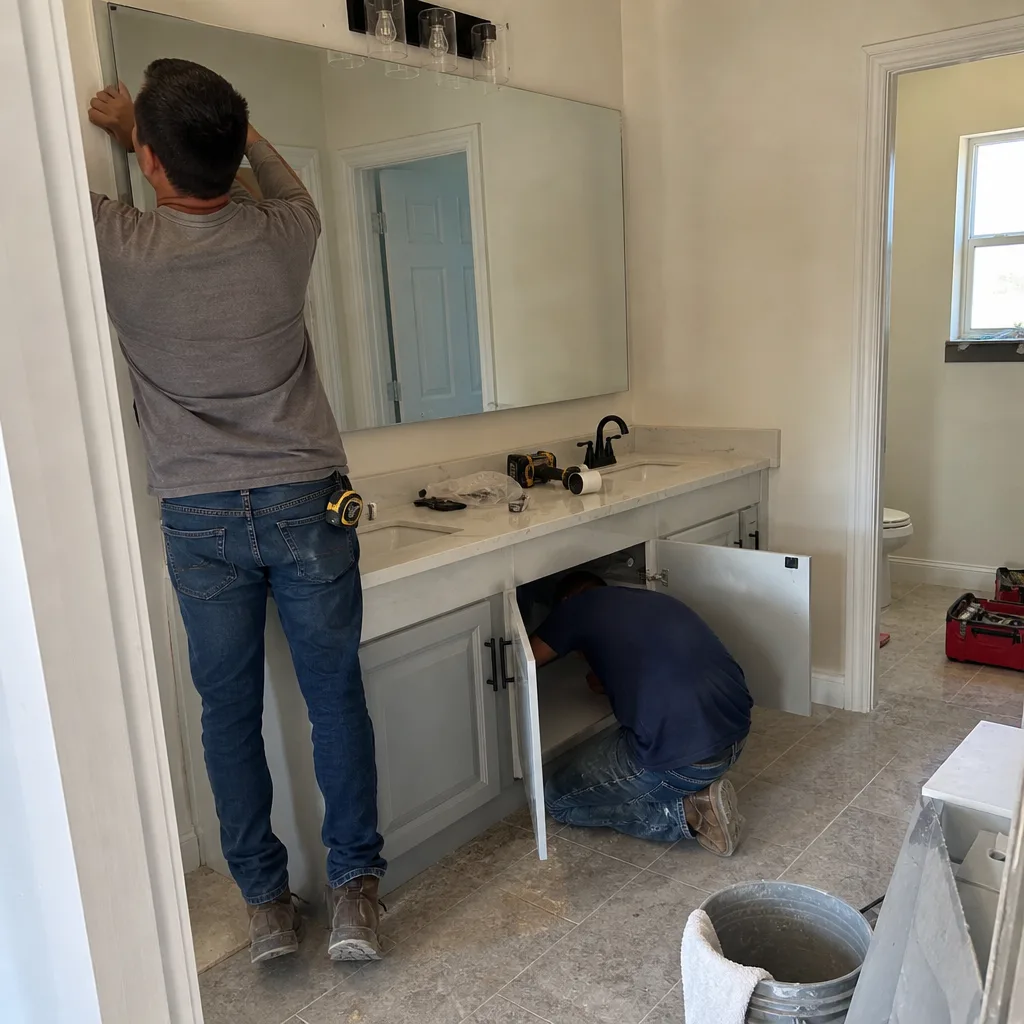
This is where the paperwork matters most. If you’re planning a whole-home remodel and want to avoid most of what’s covered here, look at the way a fully documented process works: Bradford Remodeling Sunrise Manor home. If you’re remodeling a kitchen or bath specifically, start with kitchen remodeling in Sunrise Manor or bathroom remodeling in Sunrise Manor for the scope and permit expectations on those projects.
Common Mistakes to Avoid
- Paying the first draw without a signed conditional lien waiver in hand. Once the check clears, you have no leverage to collect waivers retroactively. Require the packet before you release the funds.
- Accepting verbal change orders. A GC who says “we’ll square up at the end” is a GC who will reprice at the end. Insist on a signed change order with the new price in writing before any change in scope.
- Hiring the replacement GC before the abandonment notice period has run. You may end up liable for the original contract while paying twice for the work.
- Using a hand-shake scope for exterior work in Sunrise Manor. Sunrise Manor summers hit 115°F, and our monsoon season loads roofs and hardscape quickly. Exterior specs need to be written: rated for the actual heat cycling and wind-driven rain, with the product model and warranty language in the contract.
- Calling everything a warranty claim. If the item was open at the final walkthrough, it’s punch list. If it’s a genuine post-close failure of installed work, it’s warranty. Nailing down the category up front prevents a GC from using the label to slow-walk fixes.
- Letting the contractor hold the only copy of the signed warranty. Ask for a written copy of the warranty terms at close. Every Bradford project closes with a signed written guarantee in the homeowner’s hand before the final check is released.
- Assuming a permit was pulled because the contractor said so. Verify the permit number directly with Clark County before the first inspection.
See the difference
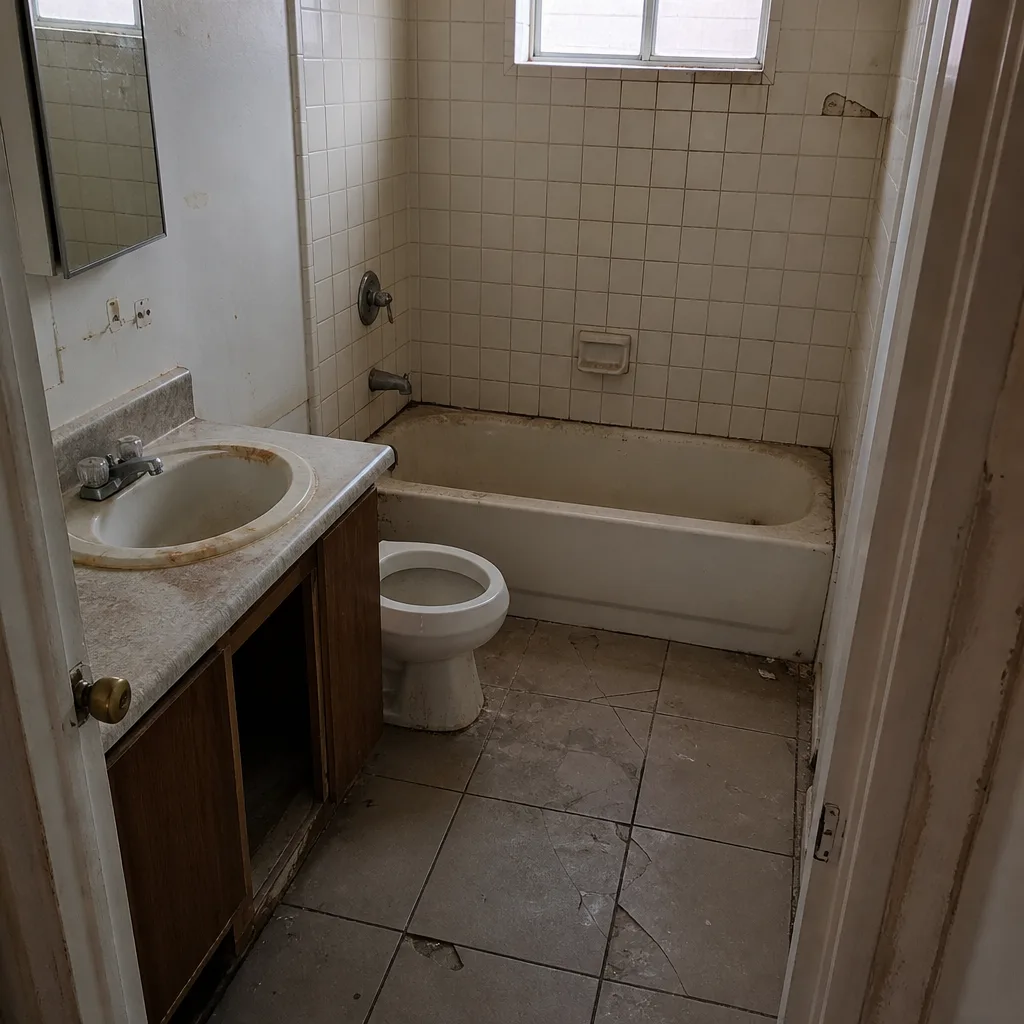 Before
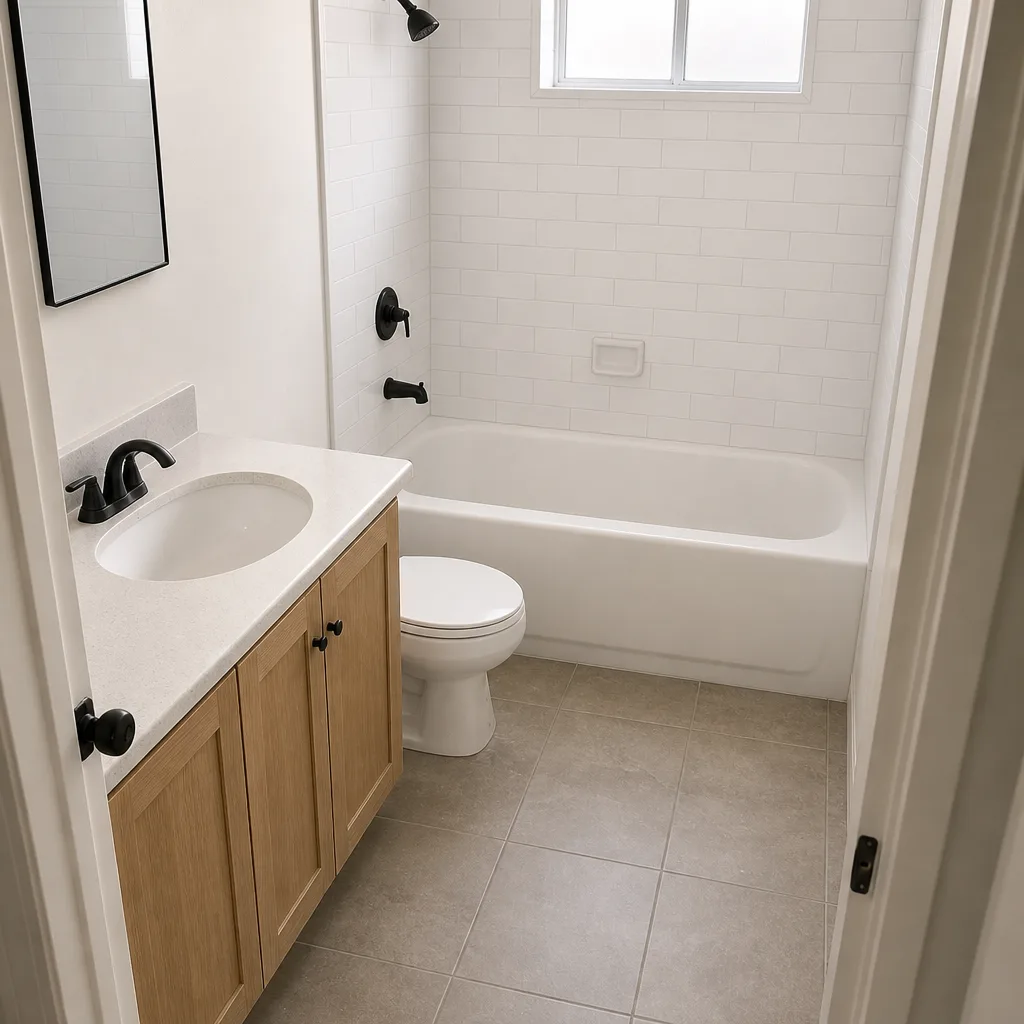 After
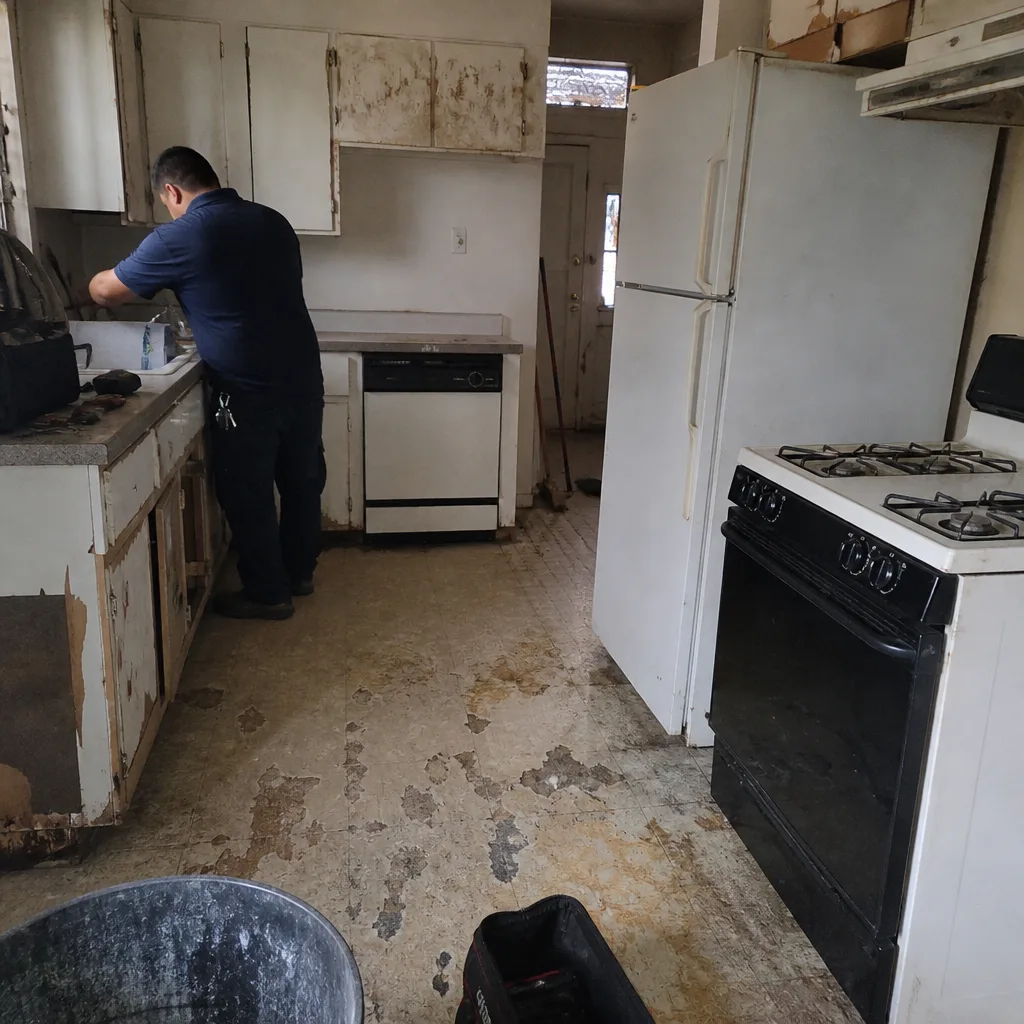 Before
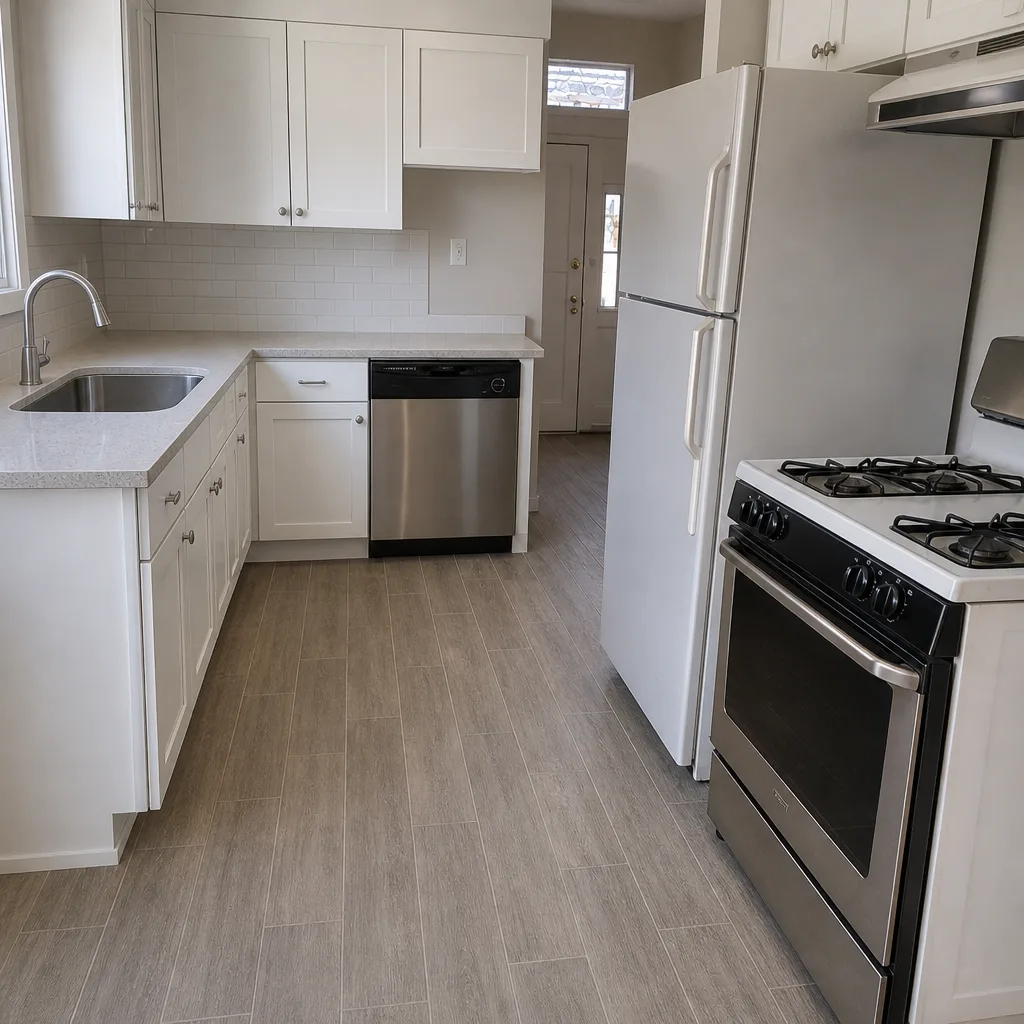 After
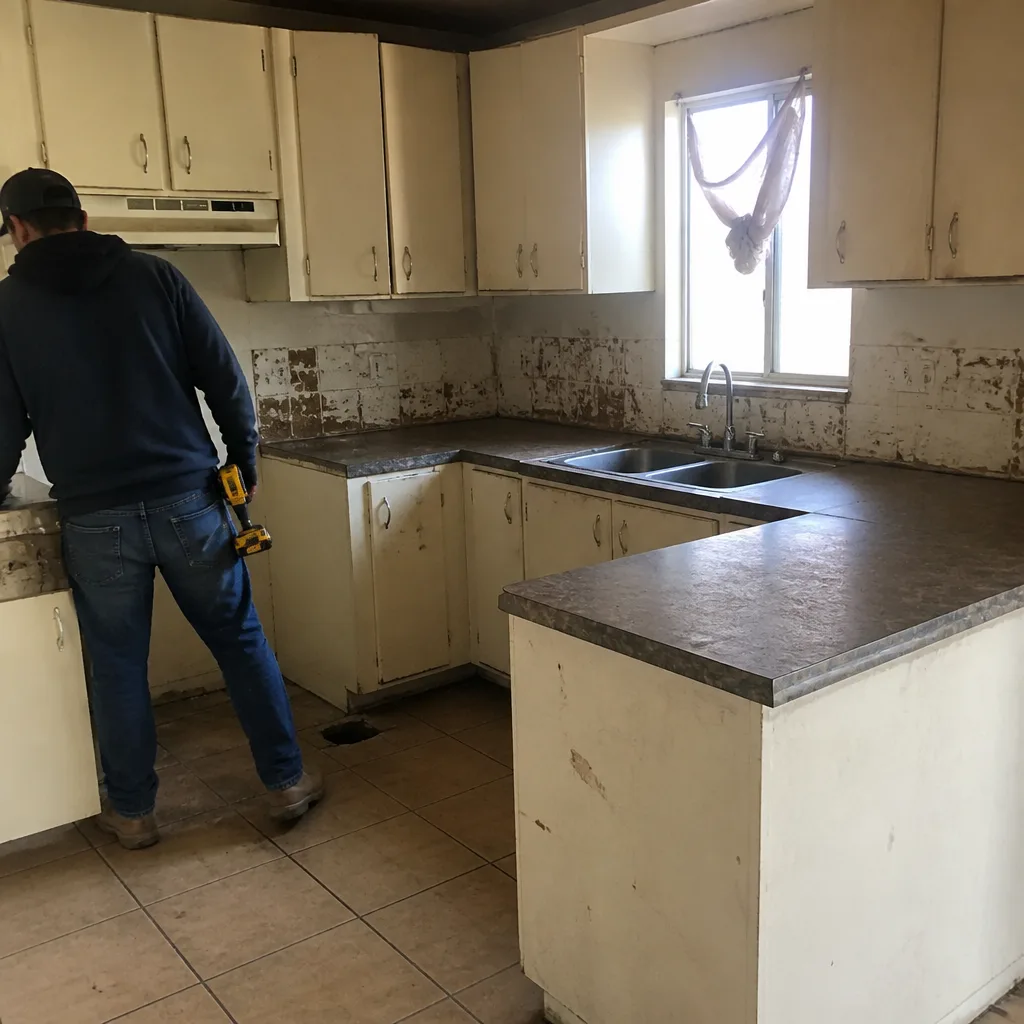 Before
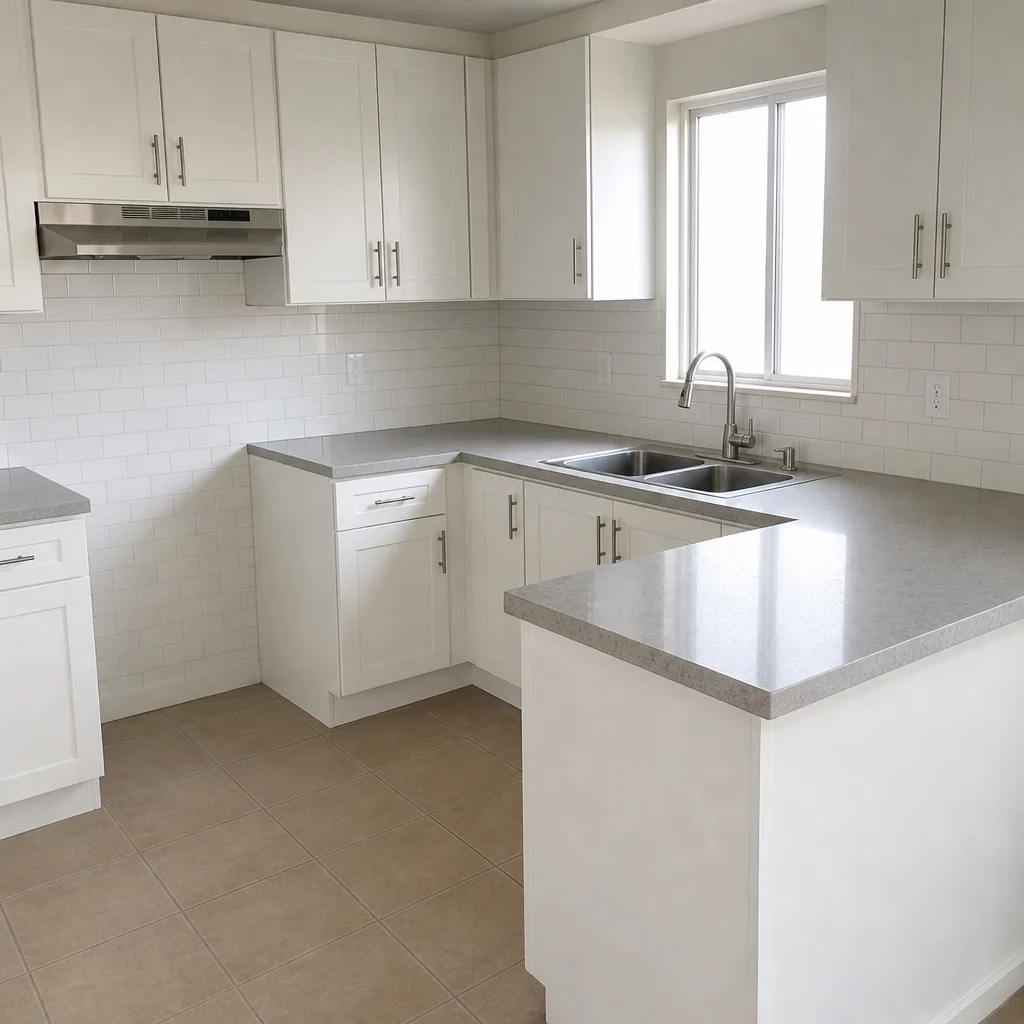 After
When to Call a Professional
Some of what’s in this guide you can handle with a certified letter and a clear head. Other scenarios call for a licensed GC now, not later: a red-tagged inspection with no corrective plan in writing, a contractor who’s stopped showing up and you’re past the notice period, a lien filed against your property, or work that failed within the first year and the original GC isn’t honoring it. Those are all situations where a documented, written scope and a properly permitted restart are the fastest path back to a squared-away job. Bradford Remodeling Sunrise Manor offers free estimates in Sunrise Manor. Call (844) 834-2810 to schedule yours. Every project we take on gets a written price before work starts, and every completed job is backed by the 365-Day Done Right Promise.
Frequently Asked Questions

Contract abandonment generally means a contractor has stopped performing without justification and without notice, leaving the work unable to proceed. It’s rarely defined by a single waiting period; it’s defined by a documented pattern of non-performance after proper written notice. Send certified-mail notice of default, log every contact attempt, and keep a copy of everything before you treat the job as abandoned.
Yes. A subcontractor’s right to file a mechanic’s lien doesn’t disappear because you paid the GC. That’s why collecting a signed conditional lien waiver from every sub and supplier at each draw is the single most effective protection you have. If you paid the GC and a sub wasn’t paid out of those funds, the sub can still file against your property.
The contractor responsible for installing the work pays for rework that failed due to their install error. If a licensed sub installed something wrong, that sub is typically on the hook, but your GC is still the one accountable to you under the contract. Get the cost responsibility stated in writing within 48 hours of the correction notice. Call (844) 834-2810 for an exact quote on a replacement scope, estimates are free.
Yes, if your contract defines final payment as tied to punch list sign-off, which it should. Hold retainage (5-10% is typical) until the punch list is signed and the written warranty is delivered to you. If final payment has already been made, you’re relying on the warranty terms, not the punch list, so it’s worth documenting the state of the work at close.
Most Clark County reinspections can be scheduled within a week to ten days of the correction being made, though that timeline depends on the county’s inspection load. A reasonable written corrective timeline names a reinspection date, the specific items to be fixed, and who bears the cost. Anything beyond two weeks deserves a written escalation.
Rarely, once you account for permitting, inspection, and warranty. If the original GC was licensed and permitted, pulling the remaining scope yourself means a new permit, a new inspection sequence, and no written guarantee on the work when it’s done. For a Sunrise Manor remodel that’s already mid-project, a documented replacement GC is usually the lower-risk path. Call (844) 834-2810 for a free estimate on finishing the scope properly.
The Bottom Line
Almost every general contractor problem we see in Sunrise Manor traces back to the same root: the contract didn’t name who was responsible for what, and now two people disagree about it. The fix is procedural, not emotional. Send written notice. Get lien waivers at every draw. Audit change orders against visible work. Distinguish a punch list item from a warranty claim. Document everything with dates. And when you’re ready to restart, insist on a written price before work begins, a signed warranty at close, and a crew you can reach. A squared-away job is a documented job, start to finish. Call (844) 834-2810 to schedule your free estimate.
Written by the team at Bradford Remodeling Sunrise Manor.